
Cycling enthusiasts know that unpredictable weather can turn a pleasant ride into a messy ordeal. Whether you’re commuting through rainy city streets or tackling muddy trails, having the right setup on your bicycle can make all the difference. One essential component that often gets overlooked is the fender mount. This guide dives deep into everything you need to know about fender mounts, from their basic function to installation tips and beyond. If you’re looking to keep dry and protect your bike, read on to discover how a proper fender mount can transform your riding experience.
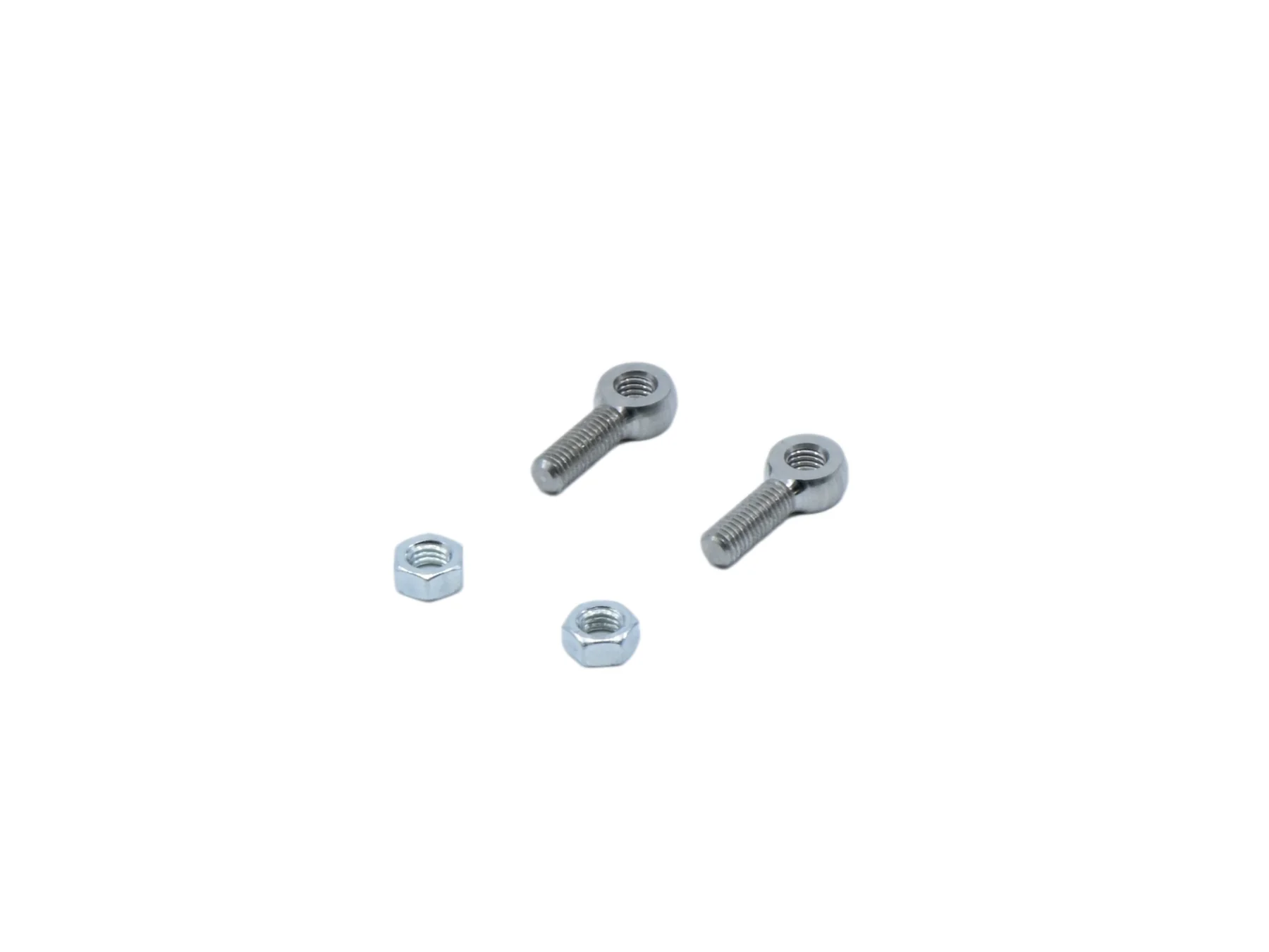
At its core, a fender mount refers to the hardware or attachment points on a bicycle frame that allow you to securely install fenders, also known as mudguards. These mounts are typically small threaded holes or bosses located on the fork, seatstays, chainstays, or dropout areas of the bike. They provide a stable base for attaching fenders, which shield you and your bike from water, mud, and debris kicked up by the wheels.
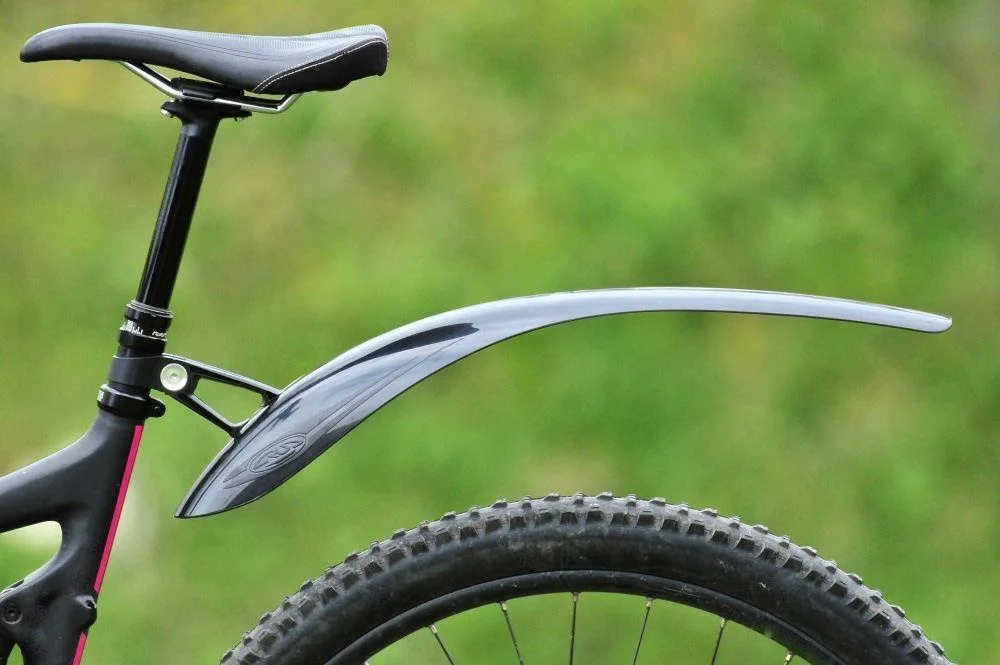
Fenders themselves come in various styles, but the fender mount is what ensures they stay in place without rattling or shifting during rides. Without proper mounts, you might resort to makeshift solutions like zip ties or clamps, which can be less reliable. Modern bikes, especially those designed for commuting or touring, often come with built-in fender mounts, but older models or performance-oriented road bikes may require aftermarket additions.
Imagine cruising through a downpour without ending up soaked from the spray off your tires—that’s the magic a well-installed fender mount brings to the table.

Not all fender mounts are created equal. Depending on your bike type and riding style, you’ll encounter different options. Here’s a breakdown of the most common types:
These are the most secure and traditional style. They use bolts to attach directly to the bike’s frame via pre-drilled eyelets or bosses. Bolt-on mounts are ideal for bikes with sufficient clearance, such as touring or commuter models. They offer excellent stability, especially on rough terrain, and are less likely to come loose over time. However, installation might require tools like wrenches and possibly additional hardware if your frame lacks the necessary points.
For bikes without built-in eyelets—common on many road or gravel bikes—clip-on fender mounts provide a flexible alternative. These use straps, velcro, or quick-release clips to attach to the seatpost, fork, or stays. They’re easy to install and remove, making them perfect for seasonal use. While convenient, they might not be as sturdy as bolt-on options in extreme conditions.
This minimalist type attaches directly under the saddle rails, offering basic rear protection. It’s not a full fender mount system but works well for short commutes or when you want to avoid cluttering your bike’s frame. These are popular among urban cyclists who prioritize aesthetics and ease.
If your bike doesn’t have any mounting points, aftermarket fender mounts like P-clamps or adapters can be added. These clamp onto the frame tubes and create artificial eyelets for standard fender installation. They’re versatile but require careful selection to match your tire size and frame material.
Each type caters to different needs, so consider your bike’s design and your typical routes when choosing.
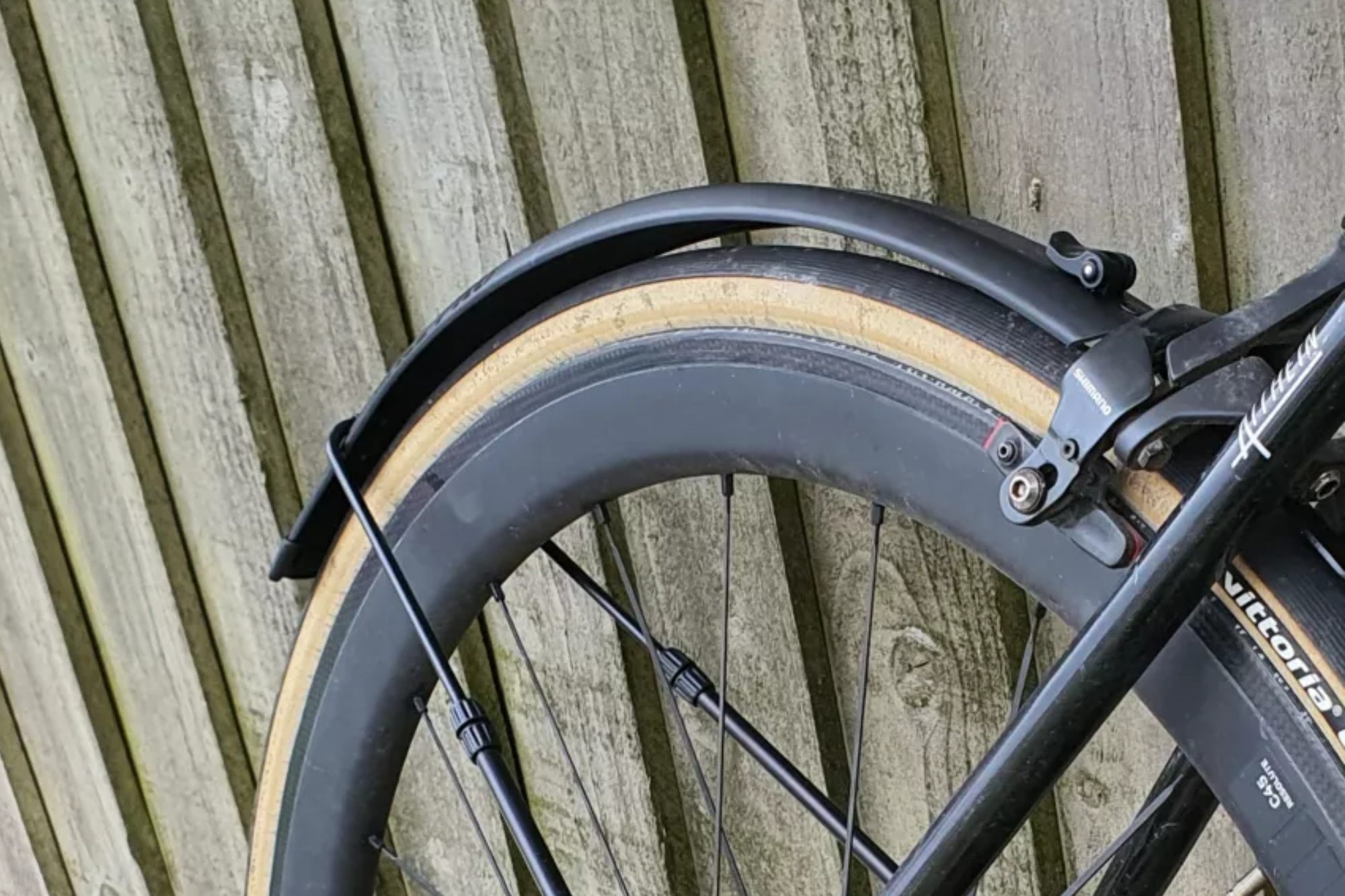

Why bother with a fender mount? The advantages go beyond just staying dry. Here are some key benefits:
In wet climates like the Pacific Northwest or the UK, riders swear by fender mounts for year-round cycling.
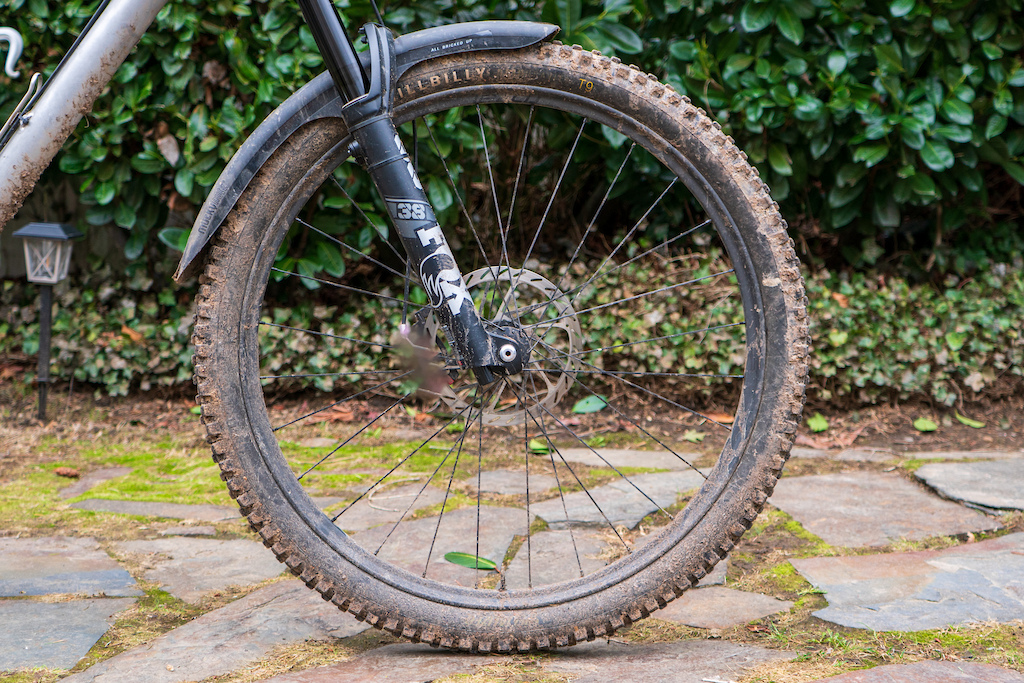
Selecting the perfect fender mount involves several factors. Start by checking your bike’s frame for existing eyelets—many gravel and touring bikes have them, while road bikes might not. Measure your tire clearance; you need at least 10-15mm between the tire and fender to avoid rubbing.
Consider your tire width: Narrow road tires (23-32mm) pair with slim fenders, while wider gravel or MTB tires (up to 2.4 inches) require more robust mounts. Material matters too—plastic mounts are lightweight and flexible, ideal for travel, whereas metal ones offer durability but can be heavier.
Budget-wise, basic clip-on sets start around $20, while premium bolt-on systems can cost $50 or more. Read reviews and consult your local bike shop for compatibility advice.
Installing a fender mount might seem daunting, but with the right tools, it’s straightforward. You’ll need wrenches, screwdrivers, and possibly pliers. Always work on a stable surface.
The first installation might take an hour, but subsequent ones are quicker.


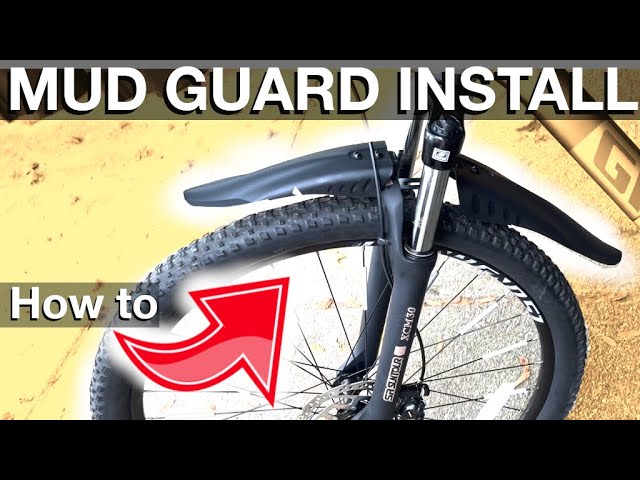
To keep your fender mount performing optimally, regular upkeep is key. After rides in wet conditions, rinse off mud to prevent corrosion. Check bolts monthly for tightness, especially on bumpy rides. If using plastic mounts, inspect for cracks from flexing.
Lubricate moving parts lightly, but avoid overdoing it to prevent attracting dirt. For metal mounts, a touch of anti-rust spray can extend lifespan. Proper maintenance ensures your fender mount lasts seasons without issues.
Based on popular choices, here are some standout options:
These picks balance quality, price, and ease of use.
No, many performance road bikes lack them, but you can add aftermarket options.
Yes, with basic tools and patience. If unsure, visit a bike shop.
Aim for 10-15mm to prevent rubbing while allowing for tire flex.
Even in dry areas, they protect against dust and occasional rain, extending bike life.
Check manufacturer specs; most mounts specify compatible widths.
Incorporating a fender mount into your cycling setup is a game-changer for comfort, protection, and bike maintenance. Whether you’re a daily commuter or weekend adventurer, understanding the types, benefits, and installation process empowers you to make informed choices. With the right fender mount, you’ll ride confidently through any weather, keeping both you and your bike in top shape. Ready to upgrade? Head to your local shop and get mounting!
| Size | One Size |
|---|
Only logged in customers who have purchased this product may leave a review.


Reviews
There are no reviews yet.