
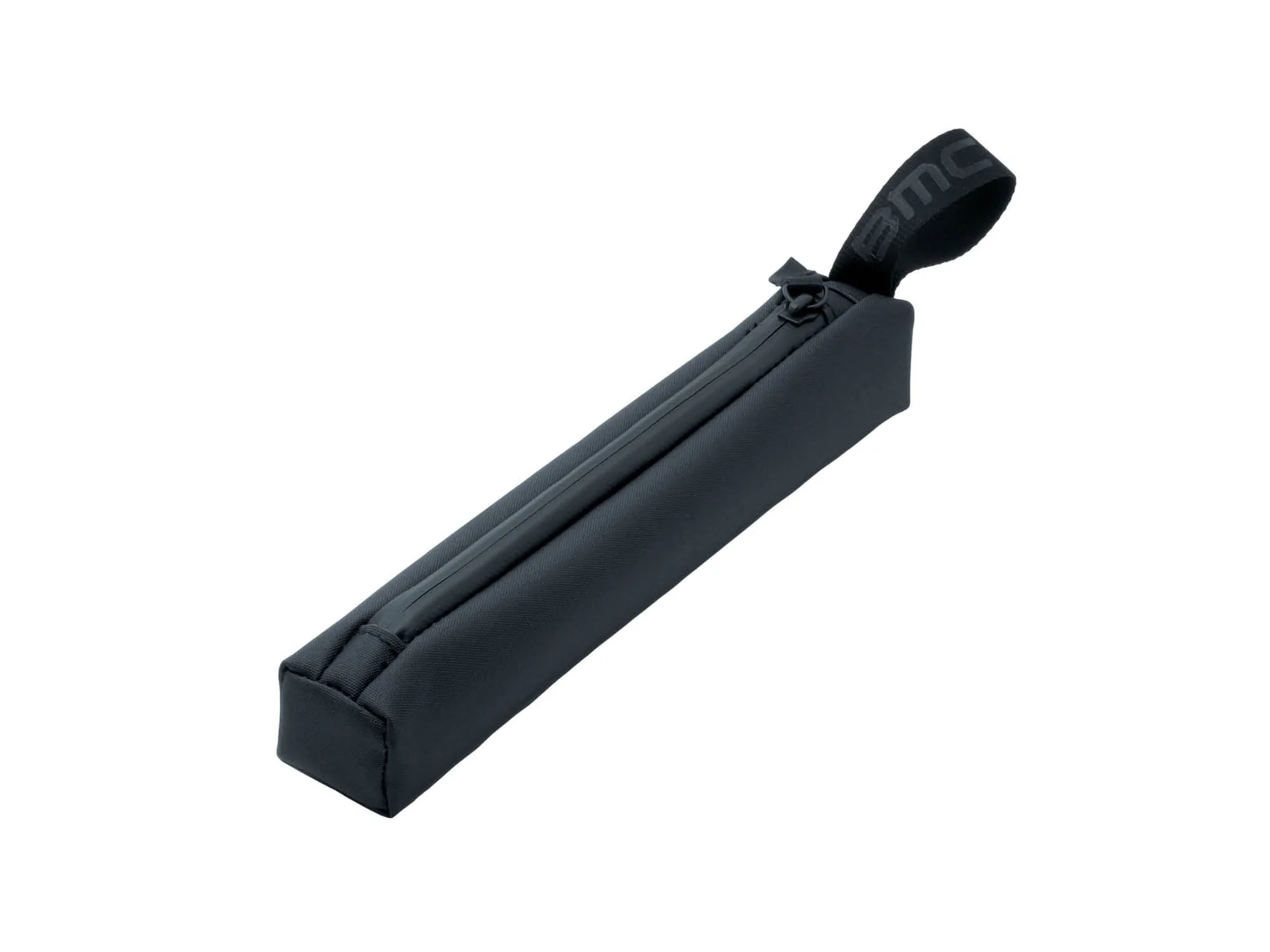
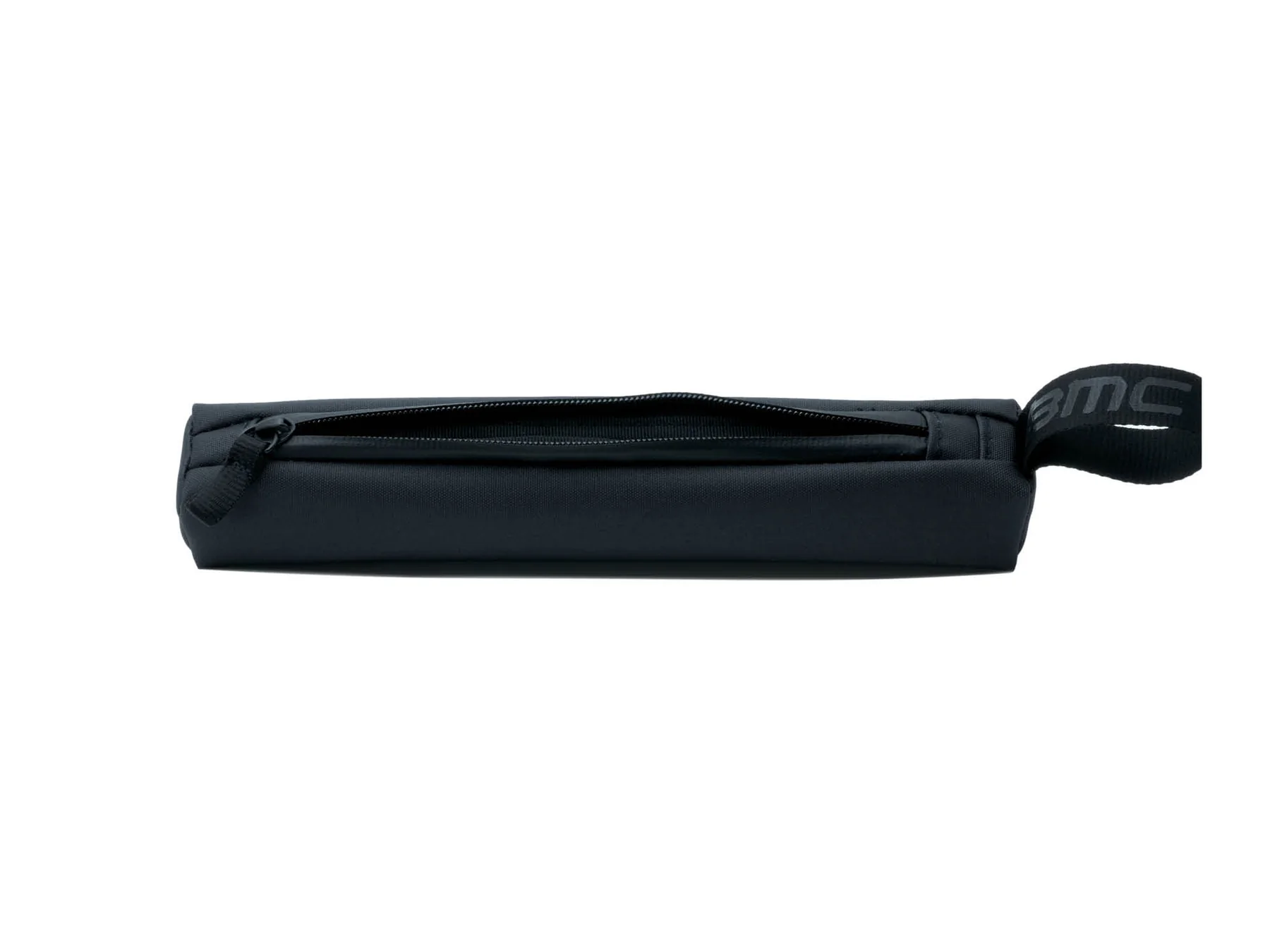
In the world of cycling, where every ounce and inch matters, finding smart ways to carry your essentials without compromising performance is key. Whether you’re a weekend warrior hitting the trails, a commuter navigating city streets, or a bikepacker embarking on multi-day adventures, storage solutions can make or break your ride. One innovative accessory that’s gaining popularity among riders is the down tube storage pouch. This compact yet versatile bag attaches to the underside of your bicycle’s down tube, utilizing what was once underused space to store tools, snacks, and other necessities.
In this comprehensive guide, we’ll dive deep into everything you need to know about the down tube storage pouch. From its benefits and types to installation tips and real-world applications, we’ll cover it all to help you decide if this is the right addition to your setup. By the end, you’ll have a clear understanding of how this simple accessory can enhance your cycling experience.
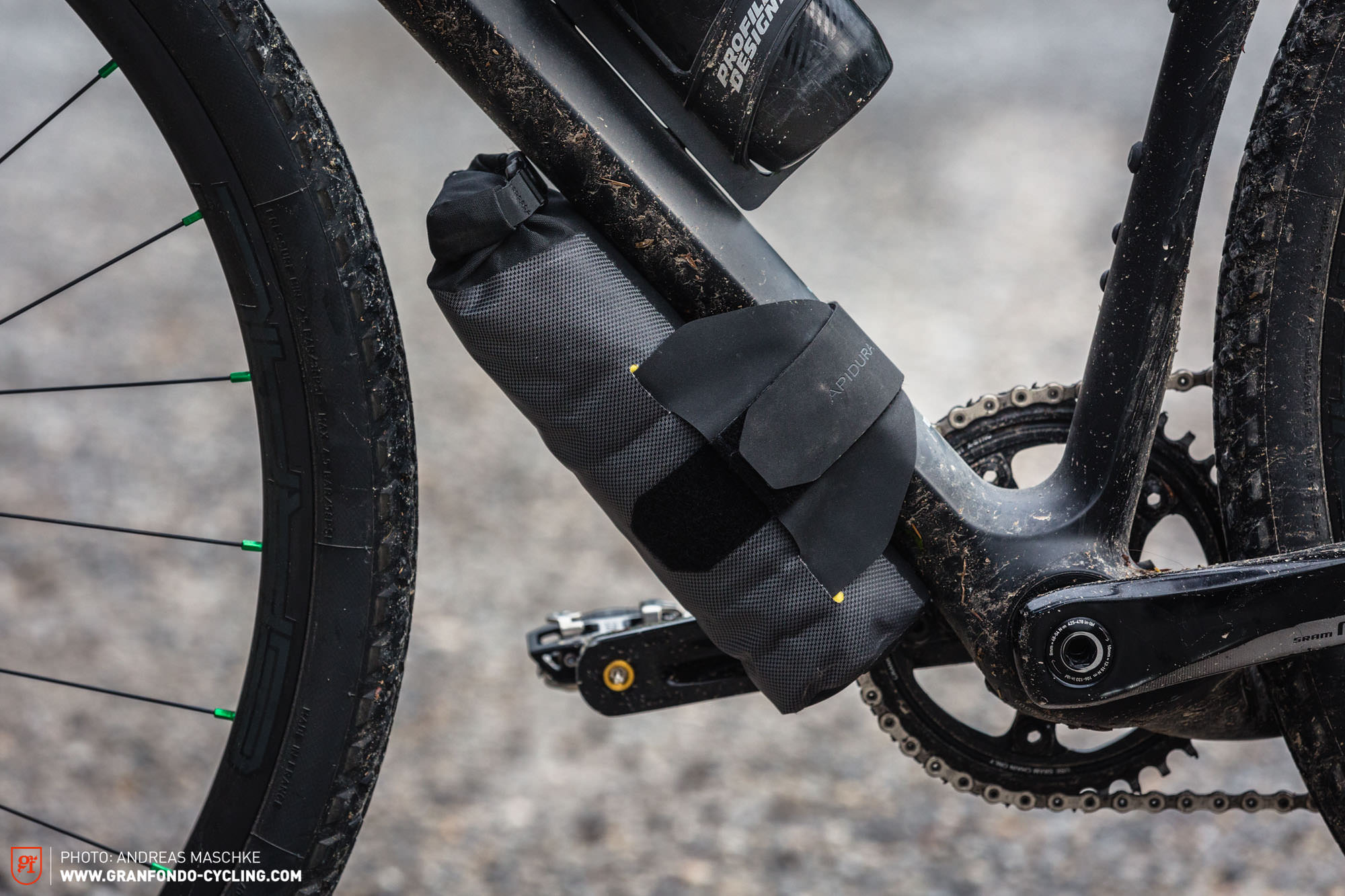
At its core, a down tube storage pouch is a specialized bag designed to fit securely on the down tube of a bicycle frame—the diagonal tube running from the head tube to the bottom bracket. Unlike traditional saddle bags or handlebar packs, this pouch leverages the “dead space” beneath the frame, keeping your gear low and centered for better balance and aerodynamics.
These pouches come in various designs, but most are waterproof or water-resistant, made from durable materials like nylon or TPU-coated fabrics to withstand the elements. Capacities typically range from 1 to 3 liters, making them ideal for carrying spare tubes, multi-tools, CO2 inflators, energy gels, or even small personal items like keys and wallets. Some models, like those from Restrap or Tailfin, feature roll-top closures for easy access and adjustable straps to fit different frame sizes.
The concept isn’t entirely new—bikepackers have long used frame bags for storage—but modern down tube storage pouches have evolved with better mounting systems, such as V-mount hardware or Velcro straps, ensuring they stay put even on rough terrain. For frames without built-in bosses, these pouches offer a bolt-free solution, making them compatible with road bikes, gravel grinders, mountain bikes, and more.
Imagine cruising down a gravel path with all your repair kit tucked away neatly, without the sway of a backpack or the bulk of a larger bag. That’s the appeal of the down tube storage pouch—practicality meets minimalism.
Why should you consider adding a down tube storage pouch to your bike? Let’s break down the advantages that make it a game-changer for many cyclists.
One of the primary benefits is better weight distribution. By placing gear low on the frame, near the bike’s center of gravity, you reduce the risk of imbalance that can occur with top-heavy loads like backpacks or handlebar bags. This is especially useful for off-road riding, where stability is crucial. Riders report that it helps maintain handling precision, even when loaded with tools or snacks.
For road and gravel cyclists, aerodynamics matter. A down tube storage pouch sits out of the wind, unlike protruding saddle packs that can create drag. Studies and rider feedback suggest that this streamlined placement can contribute to marginal gains in speed and efficiency over long distances.
Most down tube storage pouches are built to be fully waterproof, with sealed seams and robust zippers or roll-tops. This means your spare tube or phone stays dry during unexpected rain showers. Brands like Apidura and Wolf Tooth emphasize this feature, using materials that repel water while remaining lightweight.
Whether you own a sleek road bike with narrow tubing or a burly mountain bike with wider cranks, there’s a down tube storage pouch to fit. Smaller 1.2L versions suit compact frames, while larger 3L options work for MTBs. This adaptability makes it a go-to for bikepacking setups where extra capacity is needed without mounting points.
Quick access is another perk. Unlike internal frame storage in some high-end bikes, a down tube storage pouch allows you to grab items without dismounting fully. It’s perfect for mid-ride fixes, like patching a flat or snacking on the trail.
In real-world scenarios, cyclists use these pouches for everything from daily commutes to epic adventures. For instance, on a Reddit thread, users shared packing spare tubes, mini-pliers, and chain links in theirs, highlighting its role in emergency preparedness.

Not all down tube storage pouches are created equal. Here’s a rundown of the main types to help you choose.
These are the most universal, using Velcro or adjustable straps to secure to any frame. The Restrap Downtube Bag, for example, offers 1.2L of waterproof storage and fits tubes up to 19cm in circumference. They’re ideal for retrofitting older bikes.
Brands like Tailfin use patented V-Mount systems for a rock-solid attachment. Available in 1.7L and 3L sizes, these are great for gravel and MTB riders needing reliable hold on bumpy rides.
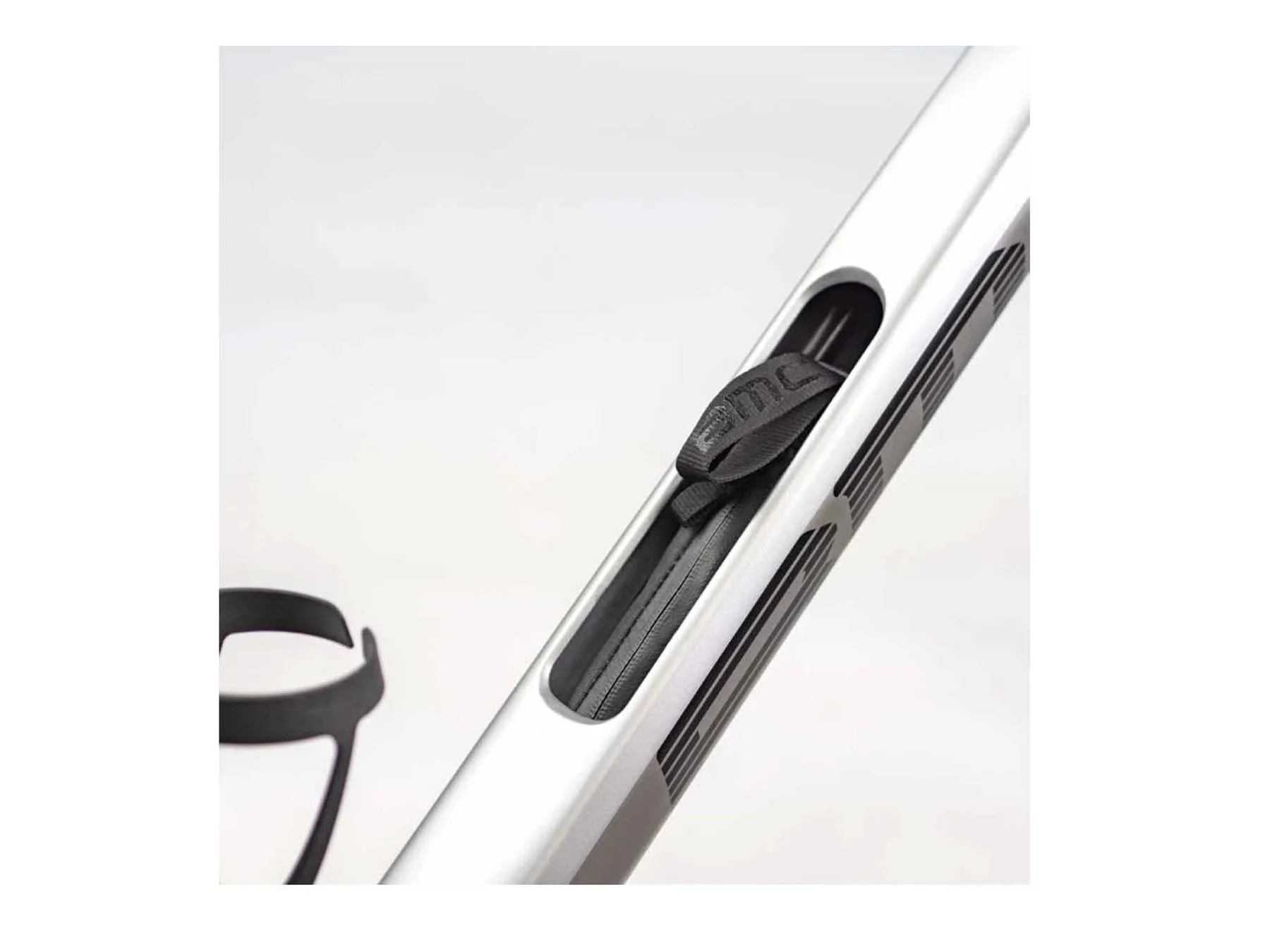
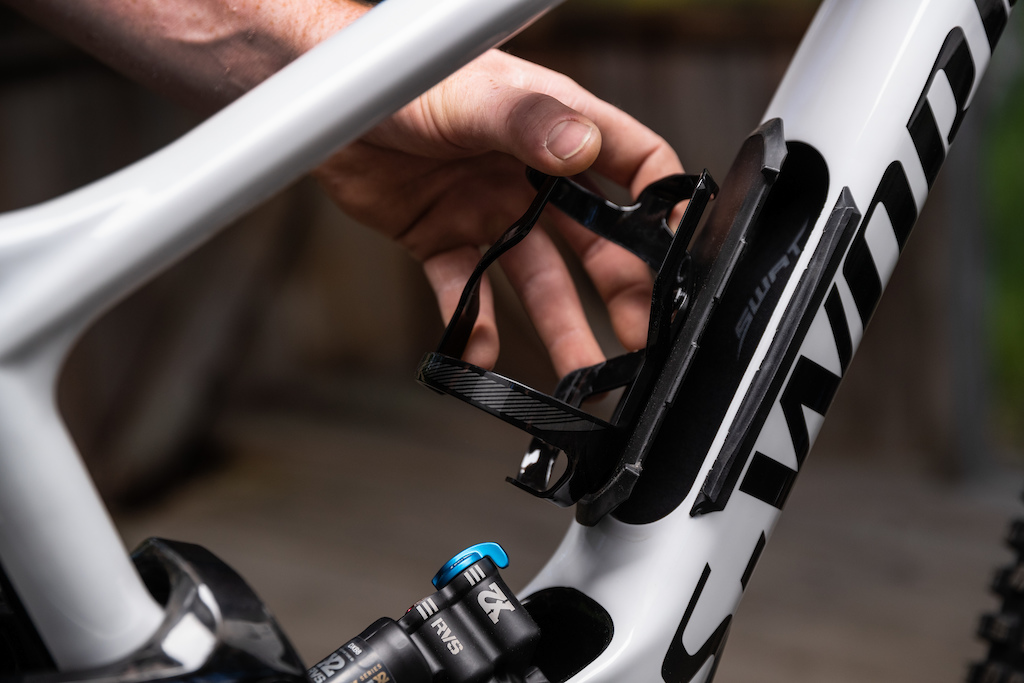
Some bikes, like those from ENVE or BMC, feature built-in down tube compartments. Complementary pouches, such as the ENVE Cargo Bay or BMC Storage Pouch, fit inside these, organizing tools and tubes with zippered pockets and pull tabs for easy retrieval.
Roll-top models provide superior waterproofing and expandability, while zippered ones offer quicker access. Choose based on your riding conditions—roll-tops for wet climates, zippers for convenience.
Selecting the perfect down tube storage pouch involves considering several factors.
Measure your down tube’s circumference and check crank clearance. Road bikes often suit slimmer pouches (1-1.7L), while MTBs can handle larger ones.
For short rides, a 1L pouch suffices for basics. Bikepackers might need 3L for cooking gear or extra clothing. Think about what you’ll pack—tools, food, or tech?
Look for abrasion-resistant fabrics like Cordura or VX21. Vegan-friendly options from Restrap appeal to eco-conscious riders.
Entry-level pouches start at $30-50, while premium models with advanced mounting can reach $80-100. Brands like Wolf Tooth offer value with their B-RAD system.
Check forums like Reddit or BikeRadar for insights. Many praise the shift from saddle packs to down tube options for comfort and cleanliness.
Installing a down tube storage pouch is straightforward, but doing it right ensures it stays secure.
For internal models, simply insert into the frame’s compartment and use the pull tab for access.
Common mistakes include over-tightening, which can damage paint, or poor positioning leading to pedal strikes. Always follow manufacturer instructions.

Maximize utility by packing smartly. Essentials include:
For bikepacking, add lightweight cookware or a multi-fuel stove if space allows. Avoid overloading to prevent imbalance. Organize with internal pockets to keep items from rattling.
Riders on forums suggest using plastic canisters for tools to reduce noise and protect contents.
Here are some standout options:
| Brand | Model | Capacity | Key Features | Price Range |
|---|---|---|---|---|
| Restrap | Downtube Bag | 1.2L | Waterproof roll-top, Velcro mount | $50-60 |
| Tailfin | Downtube Pack | 1.7L/3L | V-Mount hardware, optimized for geometry | $80-100 |
| ENVE | Cargo Bay | Varies | Zippered pockets, pull tab | $35 |
| BMC | Storage Pouch | Fits Roadmachine | Inner tube, tools capacity | $39 |
| Wolf Tooth | B-RAD TekLite | Varies | Roll-top, strap system | $40-50 |
Restrap’s model shines for its simplicity and waterproofing, while Tailfin’s is lauded for durability on rough trails.
As bike designs evolve, integrated storage like down tube compartments is becoming standard on models from Specialized and Trek. The down tube storage pouch bridges the gap for existing bikes, offering a low-cost upgrade. With the rise of gravel and adventure cycling, expect more innovations in this space.
In polls, many riders express a need for such storage, citing convenience over traditional packs.
Incorporating a down tube storage pouch into your cycling arsenal can transform how you carry gear, making rides more enjoyable and efficient. Whether for daily use or epic tours, its benefits in stability, protection, and convenience are undeniable. If you’re ready to ditch bulky alternatives, explore the options we’ve discussed and hit the road with confidence.
Remember, the right pouch depends on your bike and riding style—start small and expand as needed. Happy cycling!
Only logged in customers who have purchased this product may leave a review.
Reviews
There are no reviews yet.