
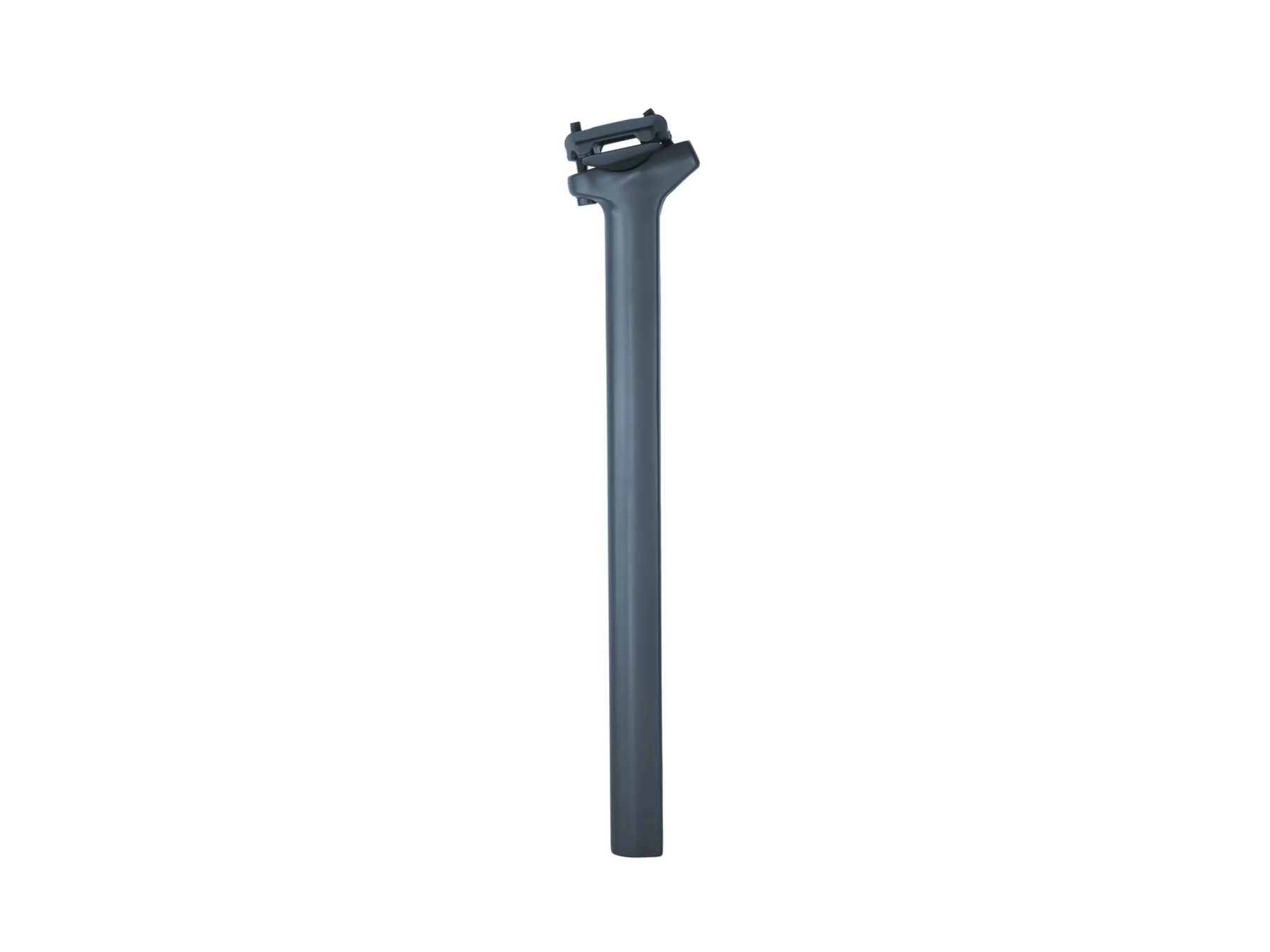
| Size | 0mm Offset | 15mm Offset |
|---|
In the world of cycling, every component plays a crucial role in your overall ride quality, from the frame to the wheels. One often-overlooked part that can significantly impact comfort, performance, and aerodynamics is the seatpost. Among the various designs available, the D-Shape Seatpost stands out for its unique profile and practical advantages. Whether you’re a road cyclist chasing speed or a gravel rider seeking better compliance on rough terrain, understanding this innovative component can help you make informed upgrades to your bike setup.
This comprehensive guide dives deep into everything you need to know about the D-Shape Seatpost. We’ll explore its design, benefits, compatibility, installation process, and more, drawing from expert insights and real-world applications. By the end, you’ll have the knowledge to decide if a D-Shape Seatpost is the right choice for your cycling adventures.
At its core, a seatpost is the tube that connects your saddle to the bike frame, allowing for height adjustments and supporting your weight during rides. Traditional seatposts are typically round, but the D-Shape Seatpost features a distinctive cross-section that resembles the letter “D” – flat on one side and curved on the other. This design isn’t just for aesthetics; it’s engineered to provide specific functional benefits.
The flattened profile of the D-Shape Seatpost prevents the saddle from rotating or slipping, which is particularly useful in bikes with proprietary frames that require precise alignment. It’s commonly found in high-end road, gravel, and time-trial bikes from brands like Giant, Canyon, and Specialized, where aerodynamics and comfort are prioritized.
To visualize this, consider the cross-section: the flat side faces rearward, allowing for controlled flex in the fore-aft direction while maintaining lateral stiffness. This shape enhances stability, especially on uneven surfaces, making it ideal for long-distance riding or competitive events.

The evolution of the D-Shape Seatpost stems from the need to balance weight savings with vibration damping. Unlike round posts, which can twist under torque, the D-profile locks into place within compatible seat tubes, ensuring your saddle stays perfectly aligned even during intense pedaling.
Switching to a D-Shape Seatpost can transform your riding experience in several ways. One of the primary advantages is improved comfort through better vibration absorption. The design allows for slight flex, which helps smooth out road chatter and bumps without the need for complex mechanical suspensions. This is especially beneficial for endurance cyclists who spend hours in the saddle, as it reduces fatigue and lower back strain.
Aerodynamics is another key benefit. The streamlined shape reduces drag, making it a favorite among time-trial and triathlon enthusiasts. Studies and real-world testing show that aero-optimized components like these can shave seconds off your times in competitive scenarios. For instance, Giant’s D-Fuse technology, which incorporates a D-Shape Seatpost, is designed to flex under impact while maintaining an efficient profile for wind resistance.
Weight savings are also noteworthy. Many D-Shape Seatposts are made from carbon fiber, which is lighter than aluminum or steel alternatives, yet provides superior strength and durability. This can contribute to a more responsive bike feel, particularly on climbs where every gram counts.
Additionally, the non-rotating design simplifies saddle adjustments. Once installed, you won’t have to worry about the saddle shifting side-to-side, which is a common issue with round posts on rough terrain. Riders often report staying seated longer on challenging paths, leading to better power transfer and reduced injury risk.

From a practical standpoint, these seatposts enhance bike stability. The D-shape integrates seamlessly with frames that have matching seat tubes, preventing slippage and ensuring a secure fit even under high loads.
When shopping for a D-Shape Seatpost, several features stand out. Length and offset are customizable, with common lengths ranging from 300mm to 400mm and offsets of 0mm to 20mm for fine-tuning your riding position. The clamp mechanism is often integrated or low-profile to maintain aerodynamics.
Materials play a big role in performance. Carbon fiber is the go-to for premium models, offering a perfect blend of lightness (around 200-250 grams) and compliance. Aluminum variants provide a budget-friendly option with good durability, while composite blends add vibration-damping properties.
Some advanced models, like those from Redshift or Ergon, incorporate suspension elements within the D-shape for extra comfort on gravel or bikepacking trips. Features like internal cable routing for dropper posts are also available, making them versatile for modern bike builds.
Durability is enhanced by the shape itself, which distributes stress more evenly than round designs. Many come with markings for minimum insertion depth to ensure safety.
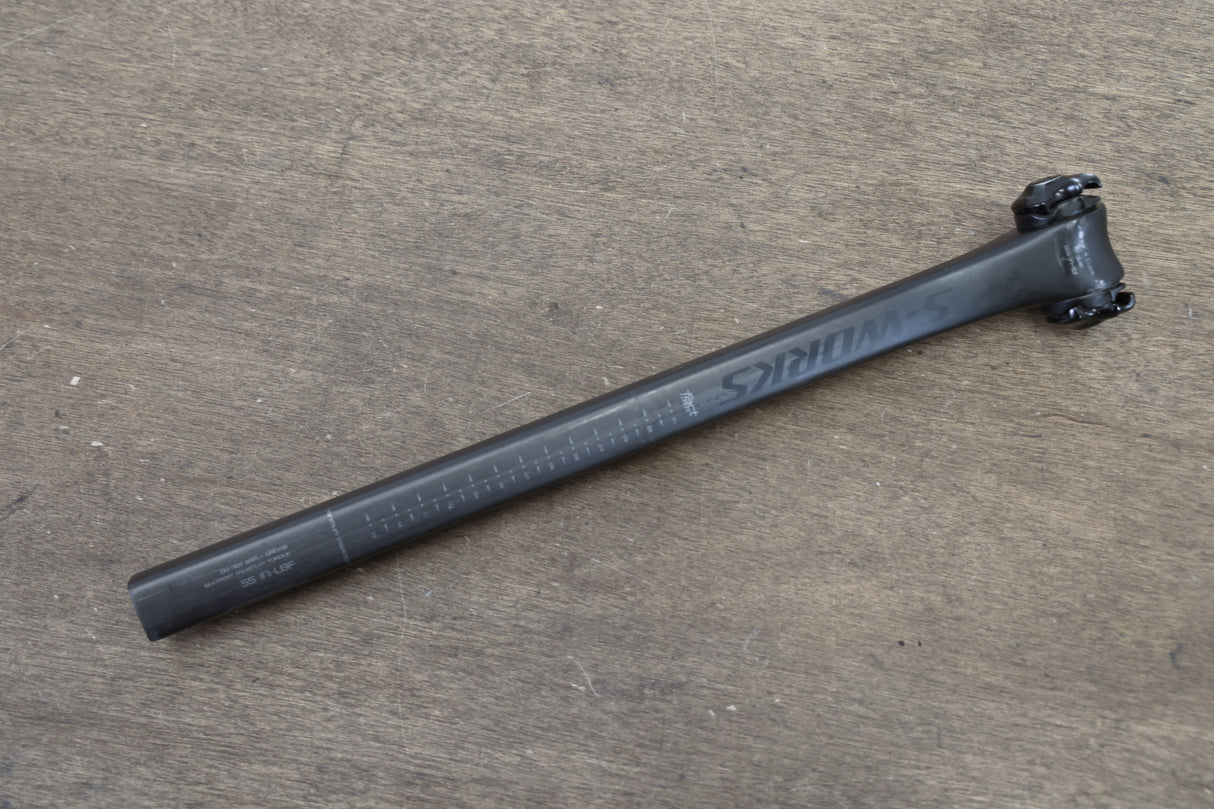
Look for models with adjustable clamps that accommodate various saddle rail types, including carbon rails, for broader compatibility.
Not all bikes are designed for a D-Shape Seatpost, as it requires a matching seat tube profile. Brands like Giant with their D-Fuse system or Canyon often use proprietary D-shapes, which can limit aftermarket options. If your bike has a round seat tube, you might need an adapter, though this isn’t always recommended for structural reasons.
Check your bike’s specifications: measure the seat tube diameter (commonly 27.2mm for road bikes) and confirm the shape. For example, Specialized’s S-Works models often pair with D-shaped posts for optimal aero performance.
If upgrading, consider dropper versions for gravel or mountain biking, where adjustable height is key. Compatibility with accessories like lights or bags is another factor – some D-Shape Seatposts have mounts for aero-friendly attachments.
Always consult your bike manufacturer’s guidelines to avoid voiding warranties or compromising safety.
Installing a D-Shape Seatpost is straightforward but requires attention to detail for a secure fit. Start by removing the old seatpost: loosen the seat tube clamp and gently pull it out, cleaning the tube interior.
Apply a thin layer of carbon paste if using a carbon post to prevent slippage. Align the flat side of the D-Shape Seatpost with the frame’s orientation – usually rear-facing for flex.
Insert the post to your desired height, ensuring it meets the minimum insertion mark. Tighten the clamp to the recommended torque (typically 5-8 Nm) using a torque wrench to avoid damage.
Attach the saddle: slide the rails into the clamp and adjust fore-aft and tilt. Double-check alignment and go for a test ride to fine-tune.

Common pitfalls include over-tightening, which can crack carbon components, or incorrect alignment, leading to discomfort. If your bike uses an internal clamp, follow specific instructions from the manufacturer.
Based on rider feedback and expert tests, several models shine. The Giant Contact SLR D-Fuse is praised for its vibration damping and lightweight construction, ideal for road endurance. Users note it absorbs shocks effectively without sacrificing power transfer.
For aero-focused riders, Specialized’s S-Works Carbon D-Shape Seatpost offers minimal weight and excellent stiffness. Reviews highlight its role in reducing drag on time-trial bikes.
Budget options like AliExpress carbon D-shaped posts provide good value, with riders appreciating the smoother ride on rough roads.
Suspension-integrated versions, such as the Redshift Shockstop adapted for D-shapes, are favorites for bikepacking, allowing longer seated periods on bumpy trails.
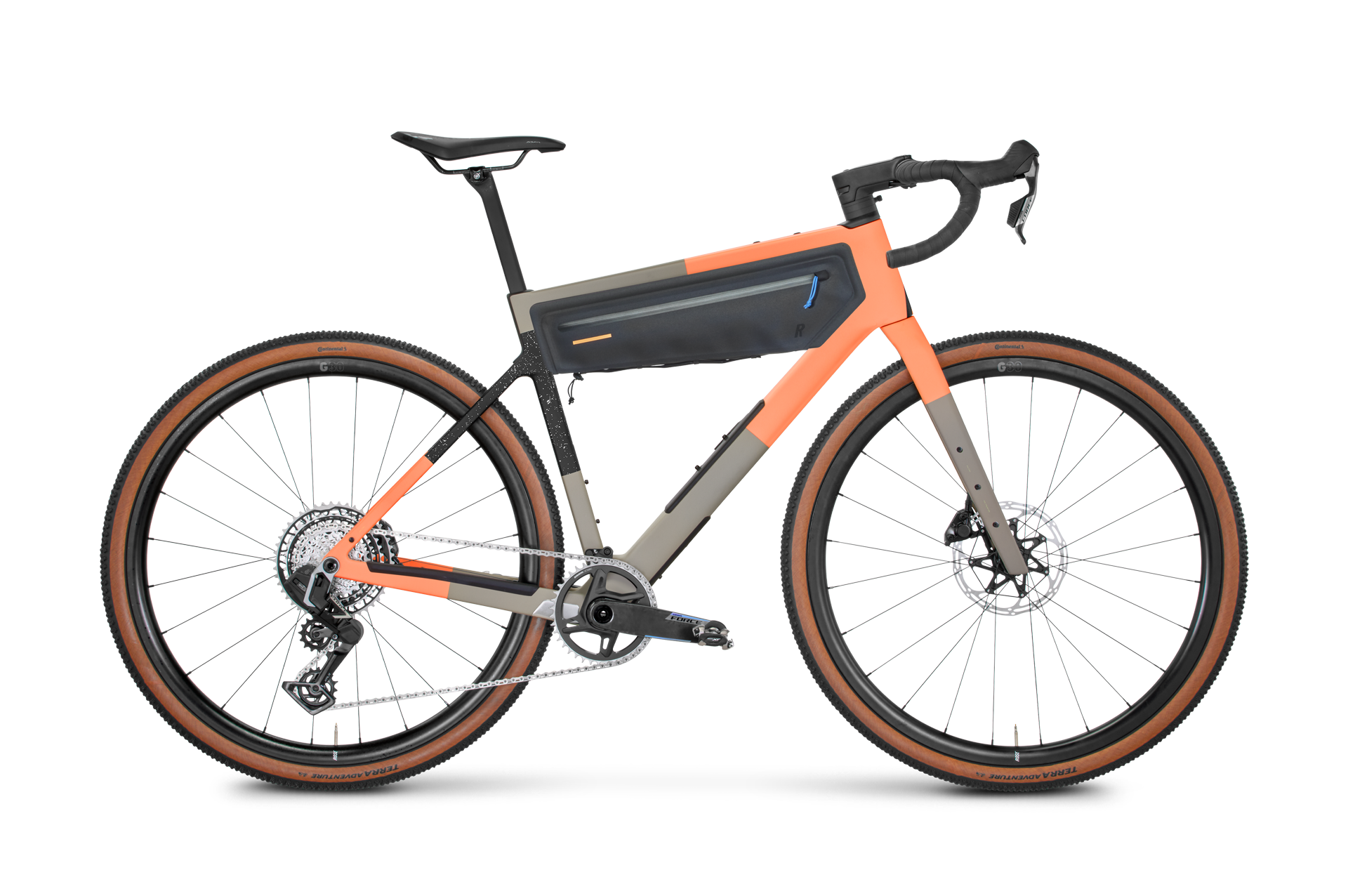 "D-Shape Seatpost")
When choosing, consider your riding style: aero for racing, compliant for comfort.
To keep your D-Shape Seatpost performing optimally, regular maintenance is essential. Clean it after rides, especially in wet conditions, to prevent grime buildup. Use a soft cloth and mild soap – avoid harsh chemicals on carbon.
Check for cracks or wear periodically, particularly around the clamp area. Reapply carbon paste every few months if needed.
Store your bike indoors to protect from UV damage, which can degrade materials over time. If using a dropper, lubricate moving parts as per the manual.
Proper torque on all bolts prevents issues like creaking or loosening during rides.
The D-Shape Seatpost represents a smart evolution in cycling components, blending comfort, aerodynamics, and stability into one package. Whether you’re upgrading for better performance on the road or seeking relief on gravel paths, its unique design offers tangible benefits that can elevate your rides.
If your bike is compatible and you’re looking to invest in quality, consider exploring models from trusted brands. With the right choice, you’ll enjoy smoother, faster, and more enjoyable cycling experiences. Happy riding!
Only logged in customers who have purchased this product may leave a review.

Reviews
There are no reviews yet.