

In today’s interconnected world, managing cables efficiently is crucial for both safety and performance. Whether you’re a cyclist looking to optimize your bike’s shifting system, an automotive enthusiast maintaining your vehicle’s accelerator setup, or an industrial professional routing wires through complex environments, cable guide tubes play a pivotal role. These essential components ensure smooth cable movement, protect against wear, and prevent tangles. In this comprehensive guide, we’ll dive deep into what cable guide tubes are, their various types, benefits, applications, installation tips, and more. If you’re searching for reliable solutions to streamline your cable management, you’ve come to the right place.
Cable guide tubes are specialized conduits or sleeves designed to direct, protect, and facilitate the movement of cables in various systems. They act as pathways that prevent cables from kinking, rubbing against surfaces, or being exposed to environmental hazards like dust, moisture, or mechanical stress. Commonly made from materials such as plastic, rubber, metal, or polyurethane, these tubes come in flexible or rigid forms depending on the application.
In the cycling world, for instance, cable guide tubes are integral to bike frames, routing brake and shifter cables from the handlebars to the derailleurs or brakes.
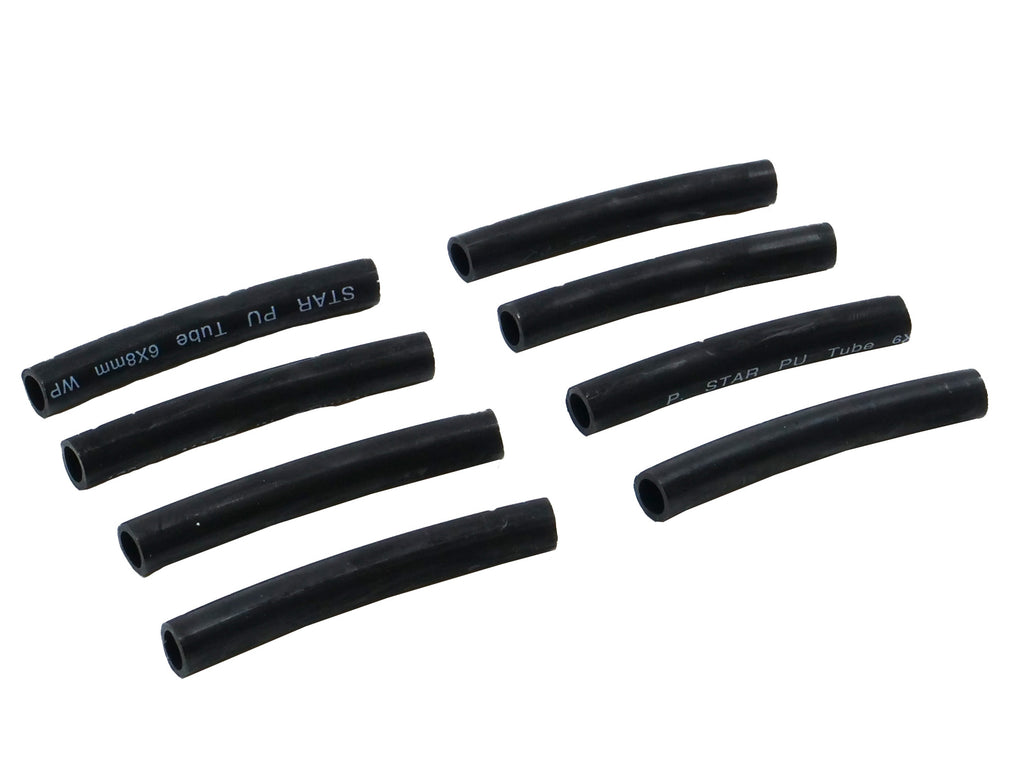
They help maintain precise control and reduce friction, which is vital for smooth gear changes and braking. In automotive contexts, they guide accelerator or brake cables through the chassis, ensuring reliable operation without interference. Industrially, flexible versions are used to feed cables into ducts or conduits, minimizing damage during installation.
The concept of cable guide tubes has evolved over time. Early designs were simple metal pipes, but modern advancements have introduced lightweight, corrosion-resistant materials that enhance durability and ease of use. According to industry sources, these tubes can extend the lifespan of cables by up to 50% by shielding them from abrasion. Whether internal or external, their primary function remains the same: to guide cables securely and efficiently.
Understanding the different types of cable guide tubes is key to selecting the right one for your needs. Here’s a breakdown of the most common varieties:
These are bendable tubes often made from rubber or polyurethane, ideal for applications requiring maneuverability. In industrial settings, flexible cable guide tubes are used to insert cables into conduits without kinks.
For example, a 5-foot or 10-foot flexible guide might connect to a duct adapter for seamless cable entry. They’re lightweight and can be coupled for longer runs, making them popular in utility and construction projects.
Constructed from steel or aluminum, rigid types provide robust protection in high-stress environments. In automotive applications, such as VW Beetles, accelerator cable guide tubes run from the chassis to the engine, preventing cable wear from vibrations.

These are threaded or bolted in place and are common in older vehicles or heavy machinery where flexibility isn’t needed.
Popular in modern bicycles, these tubes are embedded within the frame for a clean, aerodynamic look. They guide brake and shifter cables through the frame’s interior, reducing exposure to elements. Brands like BMC offer polyurethane internal guides that snap into place, ensuring low-friction movement.
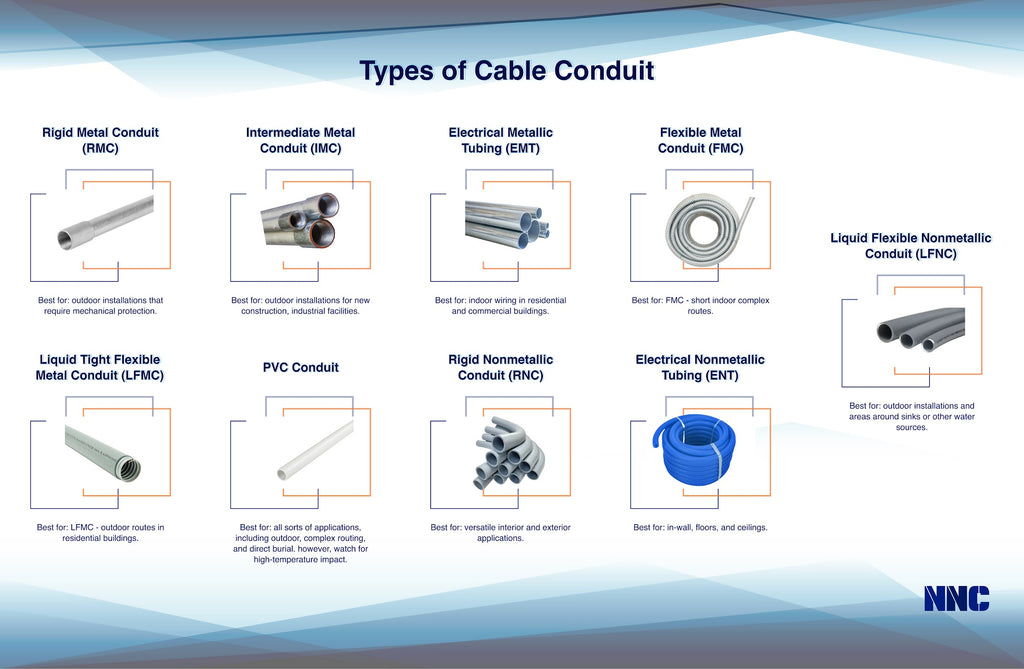
For wiring in buildings or outdoor setups, electrical conduits double as cable guide tubes. Types include EMT (Electrical Metallic Tubing), PVC, or flexible metal conduits.
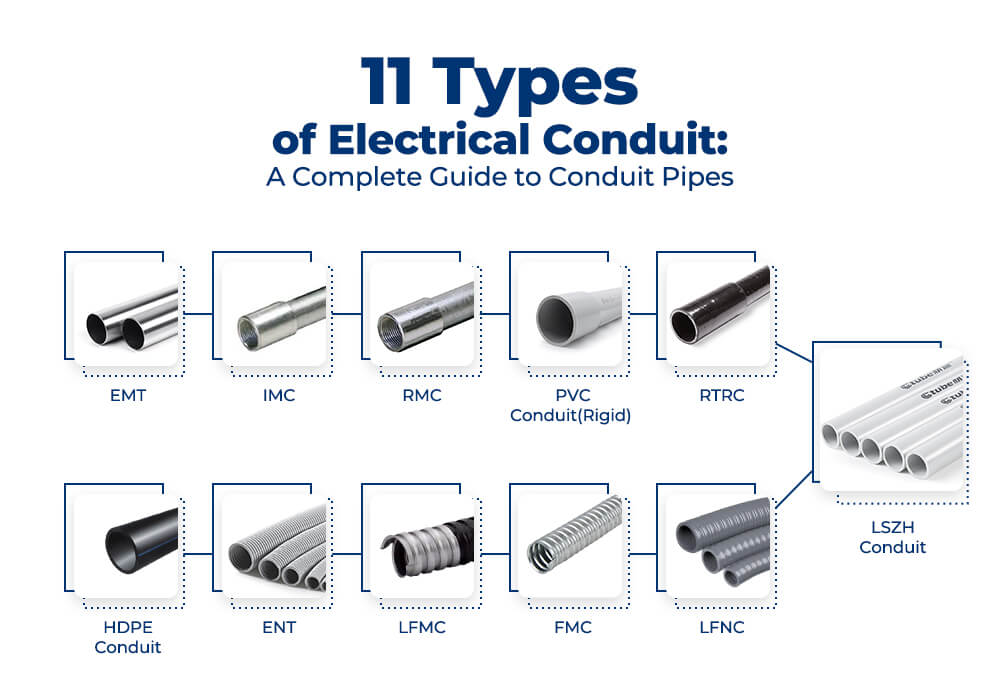
These protect electrical cables from moisture and physical damage, with rigid PVC being a go-to for underground installations due to its corrosion resistance.
In cycling, top tube cable guides route brake cables along the frame’s exterior.

Vintage bikes often feature three guides on top for enclosed housing, while modern ones use two stops underneath for exposed inner cables. Similarly, in 3D printers, filament guide tubes prevent jamming by directing material smoothly to the extruder.
Each type caters to specific needs, from flexibility in dynamic environments to rigidity in static ones. When choosing, consider factors like material compatibility and environmental exposure.
Incorporating cable guide tubes into your setup offers numerous advantages that go beyond basic protection. Let’s explore why they’re indispensable:
By preventing direct contact with rough surfaces, cable guide tubes reduce wear and tear. In bikes, this means fewer cable replacements and consistent performance over thousands of miles. Industrially, they minimize friction during cable pulls, extending the life of expensive wiring systems.
Exposed cables can pose hazards, such as tripping in workshops or short-circuiting in electrical setups. Guide tubes enclose them, reducing risks. In vehicles, properly guided parking brake cables ensure reliable stopping power, as seen in A4 chassis cars where metal guide tubes prevent cable binding.
Smooth inner surfaces of these tubes allow cables to move freely, which is crucial for precise operations. Cyclists notice crisper shifting, while drain cleaning machines use guide tubes to push cables deeper safely without kinking.
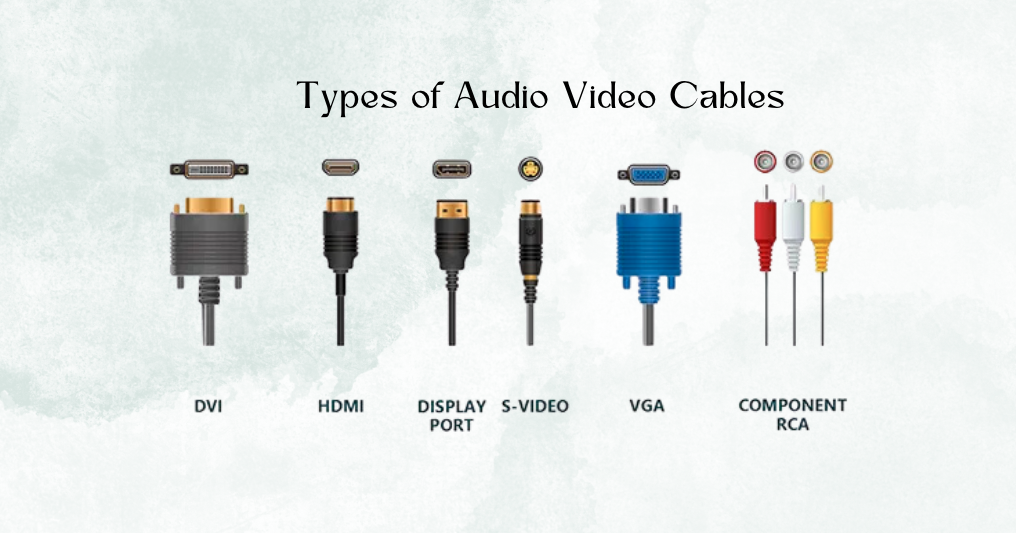
Internal routing hides cables for a sleek appearance, popular in high-end bikes and modern vehicles. In home audio-video setups, guide tubes organize cables neatly, preventing clutter.
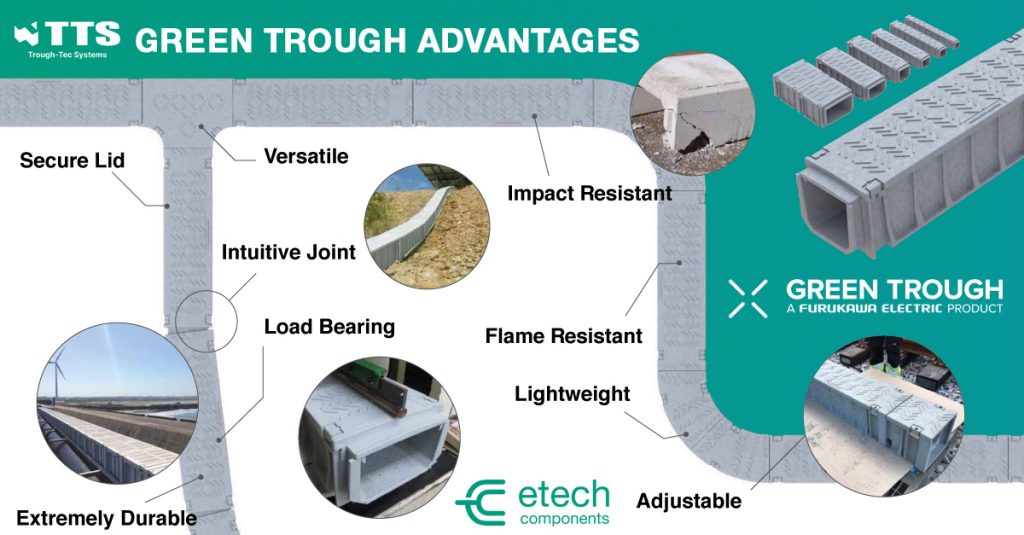
Though an initial investment, cable guide tubes save money long-term by avoiding frequent repairs. Flame-resistant and impact-durable options, like those in cable troughing systems, add value in harsh conditions.
Overall, the benefits make cable guide tubes a smart choice for anyone dealing with cable management, enhancing both functionality and safety.
Cable guide tubes find use across diverse industries and hobbies. Here are some key areas:
In bicycles, they’re essential for routing brake and derailleur cables. Frame builders use bolt-on guides for custom builds, while internal systems are standard in carbon fiber frames.

Enthusiasts appreciate how they maintain cable tension to avoid rattling.
From accelerator cables in classic cars to emergency brake guides in modern vehicles, these tubes ensure smooth operation. They’re critical in off-road setups where vibrations could otherwise damage cables.
In cable laying for power grids or telecommunications, flexible guides feed wires into ducts efficiently. Close-clearance designs prevent snags, speeding up installations in tight spaces.
Conduits serve as guide tubes for running wires through walls or underground, complying with safety codes. They’re vital in wet areas to prevent electrical hazards.
In 3D printing, filament guides prevent extrusion issues.
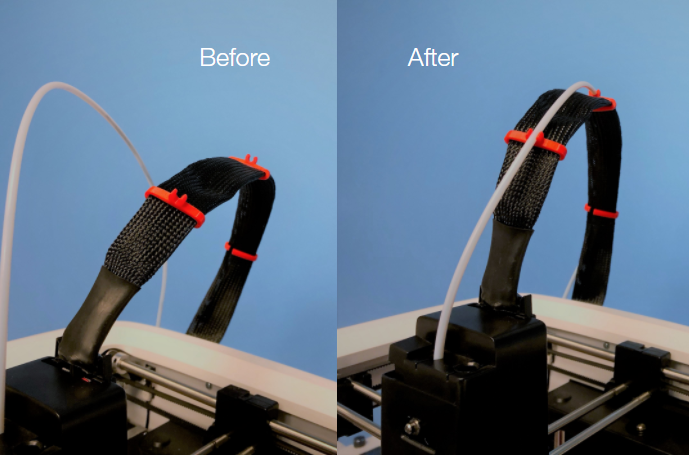
Drain cleaning equipment uses them for safe cable extension, and even audio-video systems benefit from organized cabling.
Their versatility makes cable guide tubes adaptable to almost any cable-routing scenario.
Installing cable guide tubes can be straightforward with the right tools. Here’s a general guide, adaptable to specific types:
Always follow manufacturer instructions, and wear safety gear. For complex installs, consult a professional.
To keep your cable guide tubes performing optimally:
Proper maintenance ensures longevity and prevents costly downtime.
Selecting the best cable guide tubes depends on your application. Consider:
Research brands like Paragon Machine Works for bike parts or General Pipe Cleaners for industrial tools.
Cable guide tubes are unsung heroes in cable management, offering protection, efficiency, and reliability across various fields. From enhancing bike performance to safeguarding industrial wiring, their role is indispensable. By understanding their types, benefits, and proper use, you can make informed decisions for your projects. If you’re ready to upgrade your setup, explore quality options today—your cables will thank you!
Only logged in customers who have purchased this product may leave a review.





Reviews
There are no reviews yet.