Description
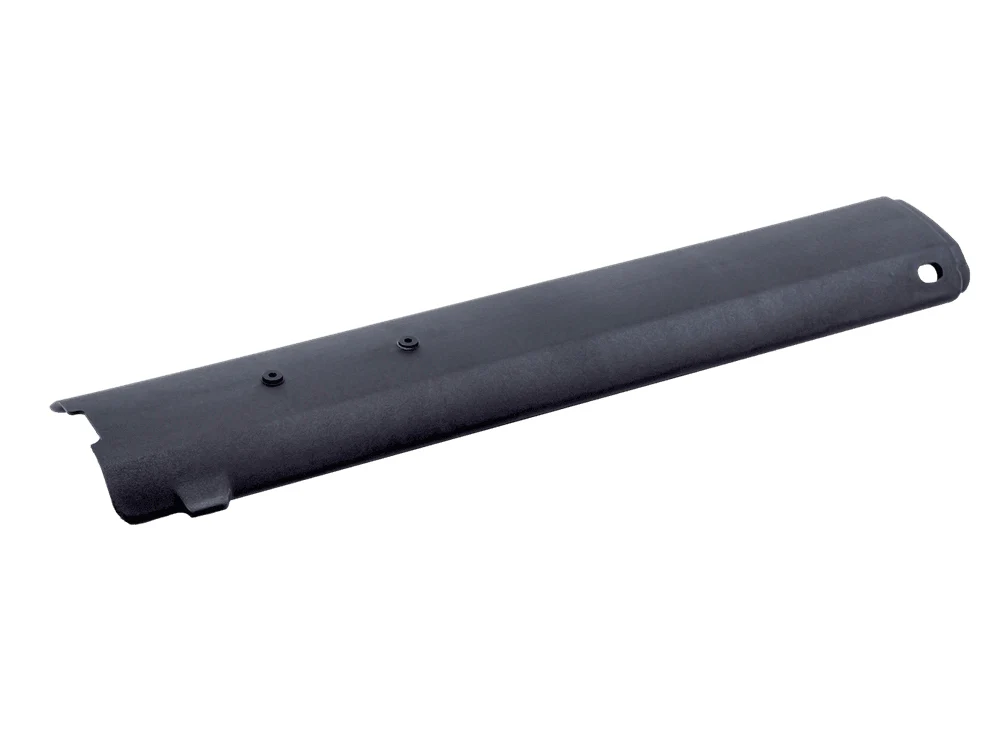
Battery Cover: The Ultimate Guide to Protecting Your Vehicle’s Battery for Longevity, Safety, and Performance
In the world of automotive maintenance, few components are as overlooked yet critically important as the battery cover. Whether you’re a daily driver, weekend mechanic, or fleet operator, understanding the role of a quality battery cover can save you time, money, and frustration. This comprehensive guide dives deep into everything you need to know about battery covers — from their purpose and types to installation, maintenance, and why upgrading yours could be one of the smartest decisions for your vehicle’s electrical system.
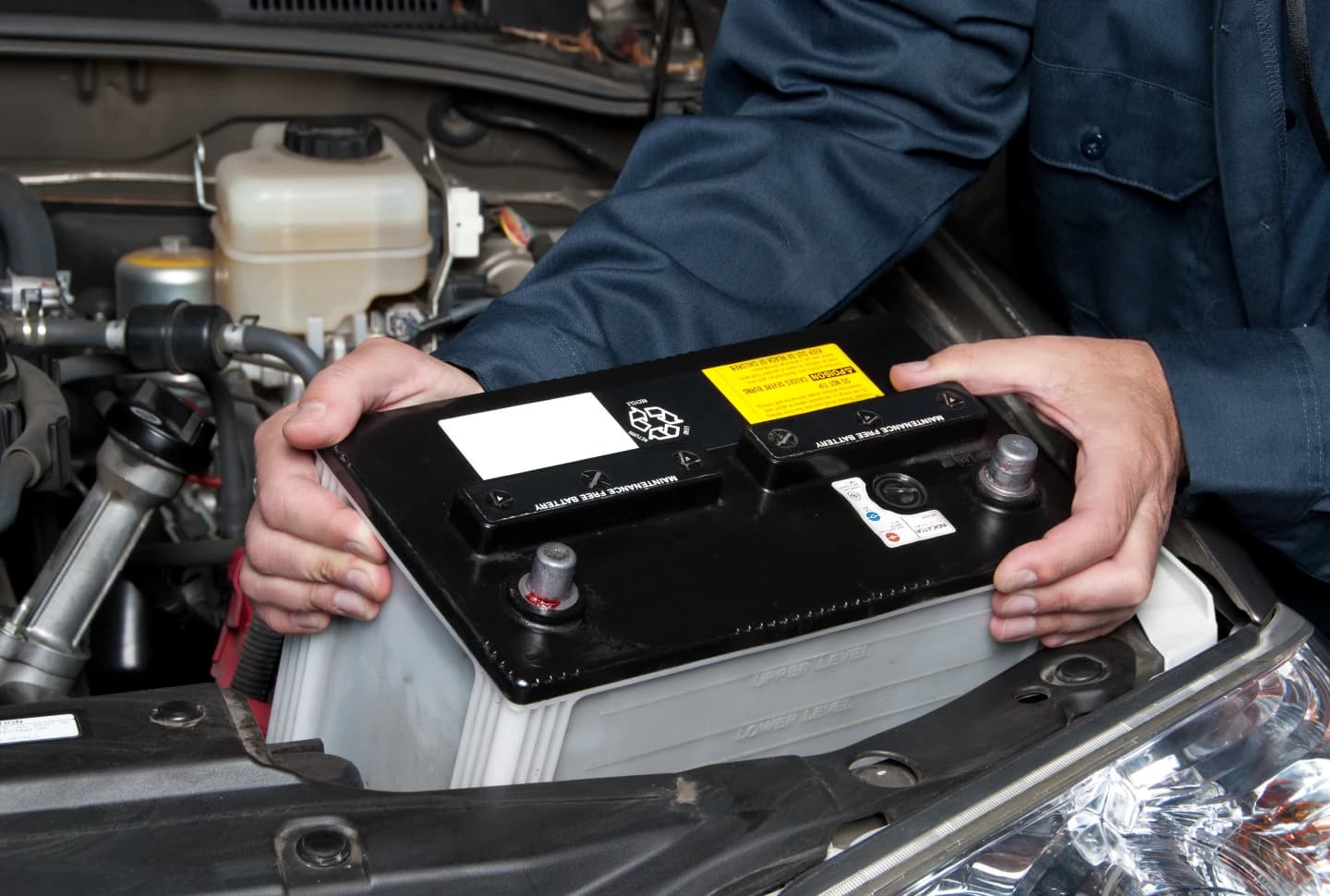
Car Battery Replacement & Installation | Meineke
What Is a Battery Cover?
A battery cover is a protective shield designed to safeguard your vehicle’s battery from environmental hazards, accidental damage, and electrical shorts. Typically made from durable plastic, rubber, or composite materials, it fits over the top of the battery or its terminals to block dust, moisture, debris, and corrosive elements that can shorten battery life.
Modern battery covers come in two main styles: full battery box covers that enclose the entire unit and smaller terminal protector covers (often color-coded red for positive and black for negative) that snap directly onto the posts. Some advanced versions even include heat-resistant insulation or ventilation features to combat extreme temperatures under the hood.
BSTFLEX Battery Wrap Heat Shield Barrier Cell Saver Battery Insulation Kit (40” x 8”) : Amazon.ca: Automotive
Without a proper battery cover, your battery is exposed to engine heat, road salt, vibration, and tool contact — all of which accelerate wear and tear.
Why Your Vehicle Needs a Reliable Battery Cover
The importance of a battery cover cannot be overstated. Car batteries are the heart of your vehicle’s electrical system, powering everything from the starter motor to infotainment and safety features. Here’s why investing in a high-quality battery cover pays off:
- Corrosion Prevention: Terminals exposed to moisture and road chemicals quickly develop corrosive buildup. A battery cover acts as a barrier, dramatically reducing this risk.
- Short-Circuit Protection: Accidental contact with metal tools or loose wires can cause dangerous sparks or fires. Terminal battery covers eliminate this hazard.
- Heat Management: Engine bays can exceed 200°F (93°C). Specialized thermo battery covers or insulation wraps shield the battery from excessive heat, which is a leading cause of premature failure.
- Vibration Dampening: Constant road vibration loosens connections. A snug-fitting battery cover helps keep everything secure.
- Extended Battery Life: Studies and real-world mechanic reports show protected batteries last 20-30% longer on average.
In short, a battery cover isn’t just an accessory — it’s essential insurance for reliable starts and a healthy electrical system.
How to Change Your Car Battery | WyoTech
Types of Battery Covers Available Today
Not all battery covers are created equal. Here’s a breakdown of the most common types:
- Terminal Protector Covers — Small, snap-on caps that cover just the positive and negative posts. Ideal for quick protection and easy access.
- Full Battery Box Covers — Larger enclosures that fit over Group 24, Group 27, or other standard battery sizes. Popular for trucks, RVs, and off-road vehicles.
- Heat-Shield Battery Covers — Insulated wraps or sleeves designed for high-temperature environments. Great for performance cars or hot climates.
- Universal vs. OEM-Specific — Universal battery covers fit most vehicles, while OEM-style options (like Dorman replacements) match exact factory specs for perfect fitment.
- Heavy-Duty Commercial Covers — Reinforced for fleet trucks, construction equipment, and marine applications where durability is non-negotiable.
Choosing the right type depends on your vehicle, climate, and usage. For most passenger cars, a simple terminal battery cover set combined with a basic box cover offers excellent protection.
How To Replace A Car Battery | Supercheap Auto
How to Choose the Right Battery Cover for Your Car or Truck
Selecting the perfect battery cover involves a few key considerations:
- Vehicle Compatibility: Check your battery group size (e.g., 24F, 65, H7) and terminal configuration (top post vs. side terminal).
- Material Quality: Look for UV-resistant, high-impact plastic or flexible rubber that won’t crack in cold weather or melt in heat.
- Ease of Installation: Snap-on designs are beginner-friendly; bolted covers offer more security for rough conditions.
- Additional Features: Ventilation holes, color coding, or built-in hold-down straps can make a big difference.
- Brand Reputation: Trusted names like Dorman, Remy Battery, and aftermarket leaders consistently deliver reliable battery covers that meet or exceed OEM standards.
Pro tip: Always measure your battery and compare dimensions before purchasing. A poorly fitting battery cover can actually cause more problems than it solves.
Step-by-Step Guide: How to Replace or Install a Battery Cover
Replacing a battery cover is a straightforward DIY project that takes 10-15 minutes. Here’s how it’s done safely:
- Prepare Your Workspace: Park on level ground, turn off the engine, and wear safety gloves and glasses.
- Disconnect the Battery: Loosen the negative terminal first, then the positive, using the correct wrench size.
- Remove the Old Cover: Unclip or unbolt the existing battery cover and set it aside.
- Clean the Area: Wipe away any corrosion or debris from terminals and the battery top.
- Install the New Battery Cover: Position the new cover securely over the battery or terminals and snap/bolt it into place.
- Reconnect the Battery: Attach the positive terminal first, then the negative. Tighten firmly but don’t over-torque.
- Test Everything: Start the engine and check for warning lights or unusual electrical behavior.
Always follow your vehicle’s service manual for specific torque specs.
How to Change Your Car Battery: A Step-by-Step Guide – Uplus
Maintenance Tips to Keep Your Battery Cover Working Perfectly
A good battery cover lasts years with minimal care. Follow these simple habits:
- Inspect it every oil change for cracks, warping, or loose fits.
- Clean terminals annually with a baking soda and water solution.
- Replace the battery cover immediately if it becomes brittle or damaged.
- In extreme climates, consider upgrading to a heat-shield version every 2-3 years.
Proper maintenance ensures your battery cover continues delivering protection long after installation.
Common Battery Cover Problems and Quick Fixes
Even the best battery covers can encounter issues:
- Cracking or Breaking → Caused by age or extreme temperatures. Solution: Replace with a more flexible material.
- Poor Fit → Leads to vibration damage. Solution: Choose a model matched to your battery size.
- Corrosion Under the Cover → Usually from improper sealing. Solution: Clean thoroughly and apply dielectric grease before reinstalling.
- Interference with Hold-Down Clamps → Common with aftermarket covers. Solution: Opt for low-profile designs.
Addressing these early prevents costly battery or alternator failures down the road.
Top Benefits of Upgrading to a Premium Battery Cover
Beyond basic protection, a quality battery cover delivers:
- Peace of mind against unexpected breakdowns
- Improved resale value (buyers love well-maintained electrical systems)
- Enhanced safety in the event of an accident or short circuit
- Better performance in harsh weather conditions
- Reduced maintenance costs over the life of your vehicle
Mechanics and auto enthusiasts alike agree: a small investment in a battery cover yields big returns in reliability.
Frequently Asked Questions About Battery Covers
Q: Do all cars need a battery cover? A: While many modern vehicles come with basic factory covers, older or modified cars often benefit from upgraded aftermarket battery covers.
Q: Can I use a battery cover on any battery type? A: Yes — AGM, flooded lead-acid, and gel batteries all work with properly sized battery covers.
Q: Are battery terminal covers enough by themselves? A: They provide excellent short-circuit protection, but pairing them with a full box cover offers complete defense.
Q: How often should I replace my battery cover? A: Every 3-5 years or whenever you replace the battery itself.
Final Thoughts: Don’t Overlook Your Battery Cover
A battery cover may seem like a minor part, but it plays a major role in keeping your vehicle starting strong and running smoothly for years to come. By understanding what a battery cover does, choosing the right one for your needs, and performing simple maintenance, you’ll protect your investment and avoid unnecessary roadside headaches.
Ready to upgrade? Browse trusted battery cover options from reputable brands and give your vehicle the protection it deserves. Your battery — and your wallet — will thank you.
Only logged in customers who have purchased this product may leave a review.



Reviews
There are no reviews yet.