Description
Battery Adapter Compliance: The Ultimate 2026 Guide to Safety Standards, Certifications, and Best Practices
In today’s fast-paced world of electronics, power tools, e-bikes, laptops, and consumer gadgets, reliable power delivery is non-negotiable. But one critical aspect often overlooked by manufacturers, importers, and even end-users is battery adapter compliance. Ensuring your battery adapters meet global safety, electromagnetic, environmental, and energy-efficiency regulations isn’t just a legal checkbox — it’s essential for preventing fires, avoiding costly recalls, and gaining access to major markets like the US, EU, and beyond.
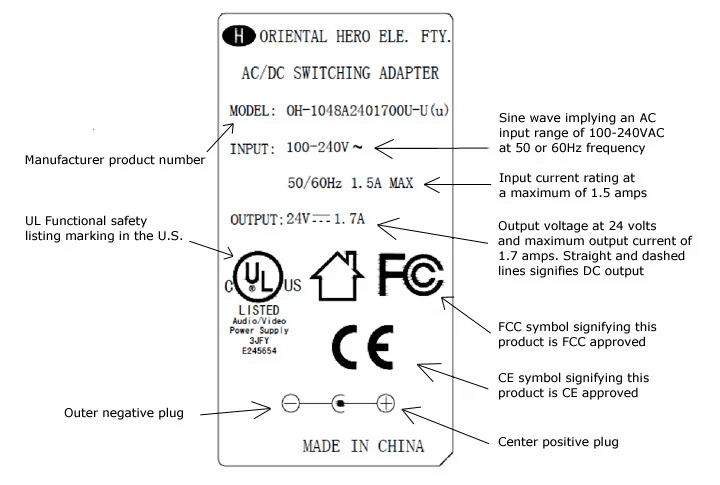
Is Your ETL Certified AC Power Adapter Safe? Find Out Here
Whether you’re a product designer sourcing OEM adapters, an e-commerce seller, or a fleet manager handling e-mopeds and power tools, understanding battery adapter compliance in 2026 protects your brand and your customers. This comprehensive guide breaks down everything you need to know — from key standards and 2026 updates to practical steps for certification and common pitfalls to avoid.
What Is Battery Adapter Compliance?
Battery adapter compliance refers to the process of ensuring AC/DC power adapters, chargers, and battery-to-device converters meet rigorous international and regional requirements for safety, performance, and environmental impact. These adapters convert mains electricity into safe DC voltage for charging lithium-ion, NiMH, or other battery chemistries found in everything from smartphones to electric vehicles.
Non-compliant adapters can overheat, cause electrical shocks, interfere with radio signals, or contain restricted hazardous substances. In 2026, with stricter IATA shipping rules and the EU Battery Regulation in full swing, battery adapter compliance has never been more important. It covers safety testing, EMC (electromagnetic compatibility), energy efficiency, material restrictions, labeling, and transportation protocols.
Electric Bike Charger: Safe Ebike Battery Charger Guide
Why Battery Adapter Compliance Matters in 2026
The stakes are higher than ever. Faulty adapters have triggered massive recalls and even fires linked to lithium-ion systems. Regulatory bodies are cracking down:
- Consumer safety: UL and IEC standards prevent thermal runaway and electrical hazards.
- Market access: CE marking is mandatory for Europe; UL listing is expected in North America.
- Legal and financial risks: Fines, shipment seizures, or product bans await non-compliant importers.
- Environmental responsibility: RoHS, REACH, and new EPR (Extended Producer Responsibility) rules limit toxic materials and require recycling data.
- Shipping updates: From January 1, 2026, IATA’s 67th Edition Dangerous Goods Regulations make 30% State of Charge (SoC) limits mandatory for many lithium batteries packed with equipment — directly affecting adapters shipped alongside batteries.
Proper battery adapter compliance builds trust, reduces liability, and opens doors to premium retailers and B2B contracts.
Key Regulations and Standards for Battery Adapter Compliance
Safety Standards The foundation of battery adapter compliance is electrical safety.
- IEC 62368-1 (2023 edition): The global benchmark for audio/video, IT, and communication equipment safety. It replaces older IEC 60950 and 60065 standards.
- UL 62368-1 / UL 1310 (Class 2 Power Units): Required for US market access. UL 2089 specifically covers vehicle battery adapters.
- IEC 60335-2-29: Particular requirements for battery chargers in household appliances.
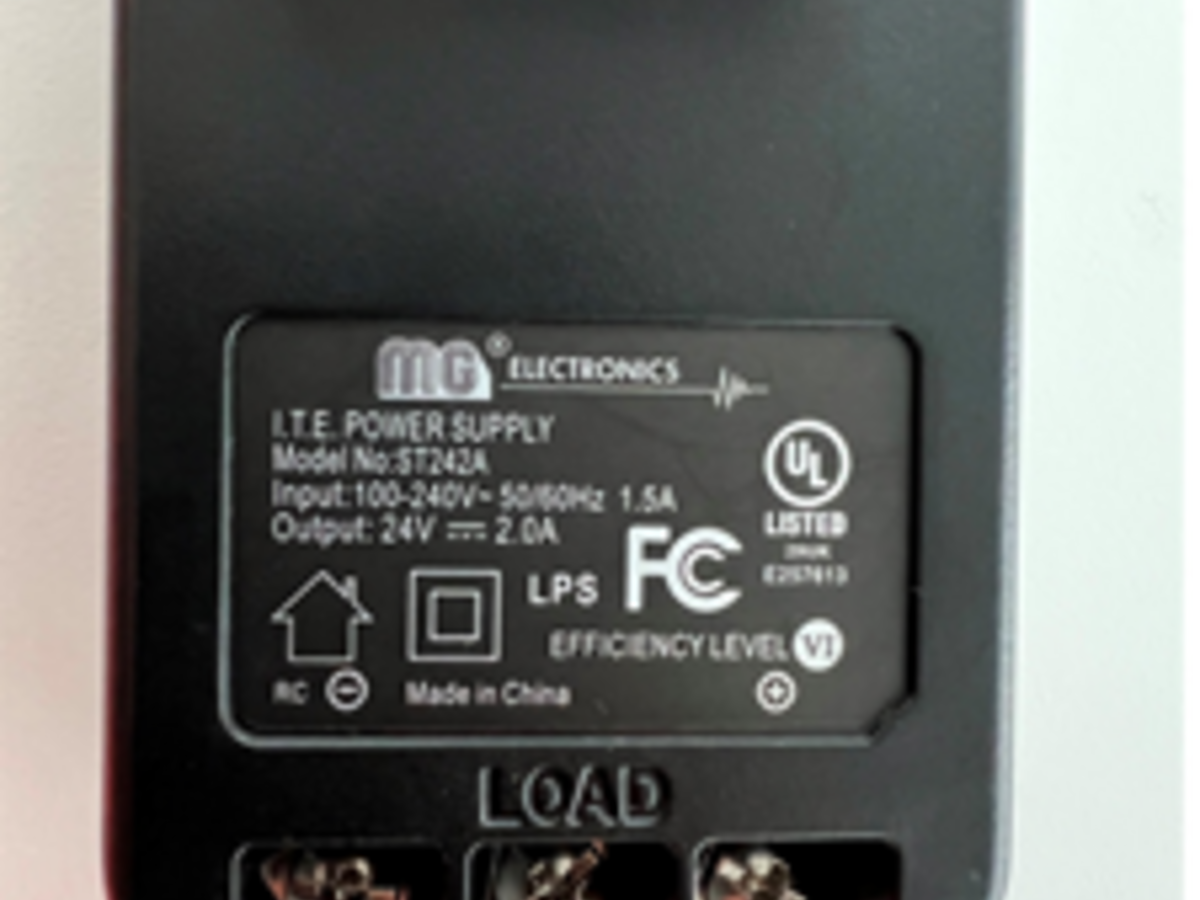
UL Solutions Warns of unauthorized UL Marks on Information Technology Equipment Power Supplies | UL Solutions
Electromagnetic Compatibility (EMC) & Radio
- FCC Part 15 Class B (US): Limits interference with wireless devices.
- CE EMC Directive (EN 55032): Mandatory for Europe.
- IEC 61000 series: Covers immunity and emissions for reliable operation.
Environmental & Material Compliance
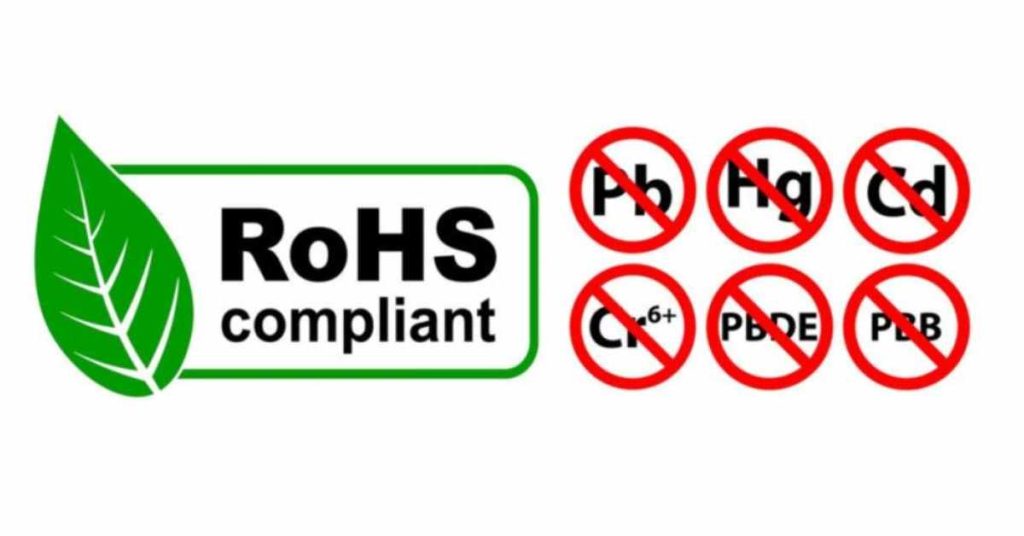
- RoHS Directive (EU) & equivalent US state laws: Restricts lead, mercury, cadmium, and other substances. All compliant adapters must display the RoHS logo.
RoHS, REACH, and WEEE: PCB Compliance Guide | BENCOR
- REACH & WEEE: Registration and recycling obligations for importers.
- EU Battery Regulation (2023/1542): From August 2026, batteries and their adapters require QR codes linking to carbon footprint, recycled content, and safety data.
Energy Efficiency
- DOE Level VI (US) and ErP Lot 6 / CoC Tier 2 (EU): Strict no-load power consumption and active-mode efficiency rules. Non-compliant adapters are banned from sale in many regions.
Transportation & Shipping (Critical 2026 Updates) UN 38.3 testing is mandatory for lithium batteries. New IATA rules effective January 2026 mandate ≤30% SoC for lithium-ion batteries packed with equipment (PI 966) when shipped by air. Adapters bundled with batteries must comply to avoid customs delays.
Regional Nuances
- China GB 38031 influences many exported adapters.
- India BIS CRS (IS 13252) is required for power adapters.
- New York State micromobility laws now require safety tags on charging cords.
How to Achieve Battery Adapter Compliance: Step-by-Step
- Choose the Right Manufacturer Partner with suppliers who already hold UL, CE, and RoHS certifications. Request full test reports and factory audit documentation.
- Third-Party Testing Engage accredited labs (UL, Intertek, TÜV, or CTIA for battery-related chargers). Test for safety, EMC, energy efficiency, and UN 38.3 if shipping batteries together.
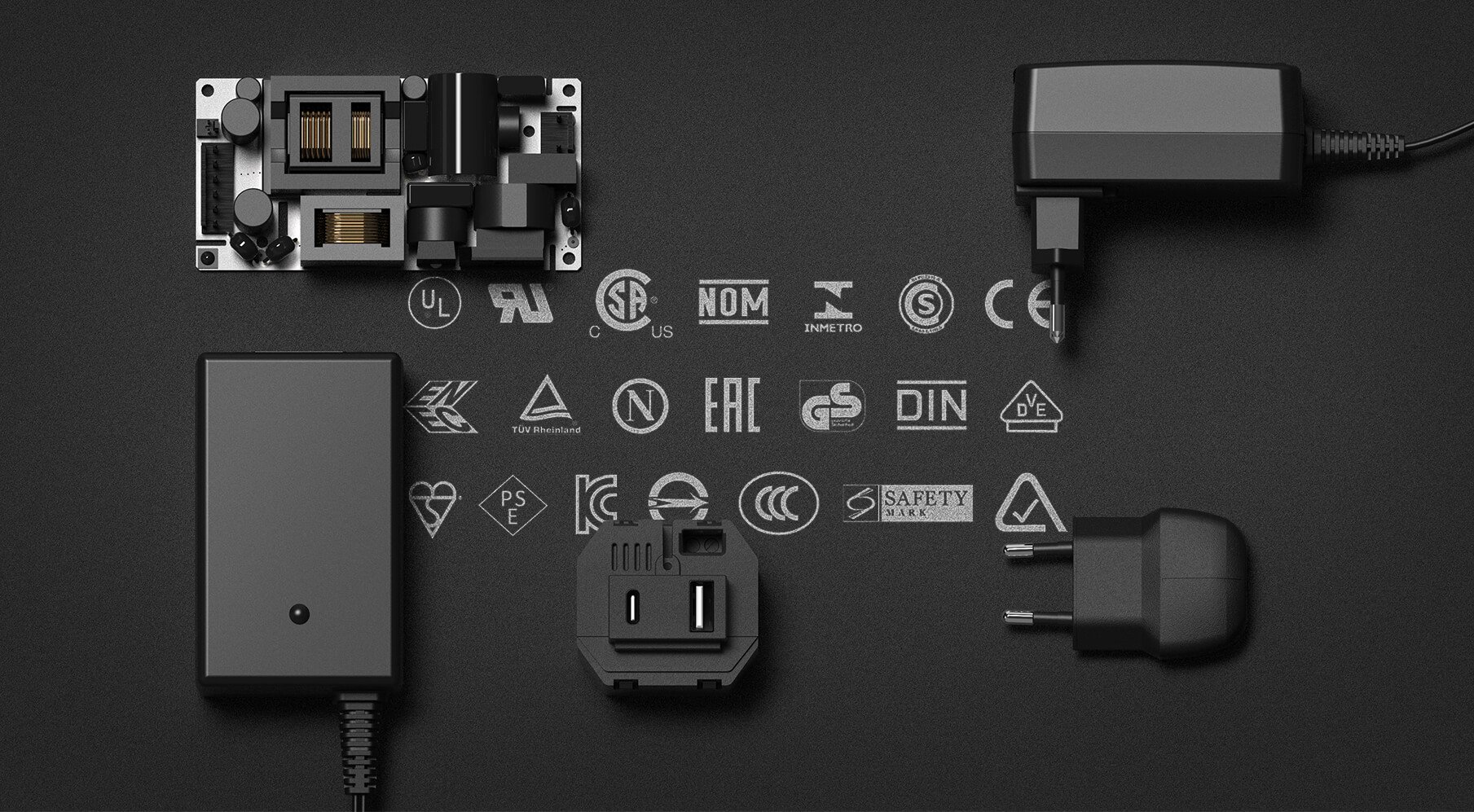
- Labeling & Documentation Include clear input/output specs, certifications (UL, CE, FCC, RoHS), warnings, and the new 2026 QR code where required. Mislabeling is a top reason for shipment rejection.
How to Choose Wall Adapters & Table-Top Power Supplies?
- Ongoing Surveillance Annual factory audits and post-market surveillance ensure continued battery adapter compliance.
- Supply Chain Transparency Trace materials to prove RoHS/REACH compliance and prepare for EPR reporting deadlines hitting in 2026.
Common Challenges and How to Overcome Them
- Fake certification marks: Always verify UL or CE numbers on the official databases.
- Cost pressures: Investing in certified adapters upfront saves millions in recalls.
- Evolving rules: Subscribe to IATA and EU updates — the 2026 SoC limits caught many shippers off guard.
- Global market fragmentation: One adapter may need separate UL, CE, and BIS marks. Modular design and pre-certified components help.
Real-World Benefits of Battery Adapter Compliance
Brands that prioritize battery adapter compliance enjoy:
- Faster market entry and fewer customs issues.
- Higher customer satisfaction and fewer returns.
- Stronger B2B contracts (retailers demand proof of certification).
- Lower insurance premiums and reduced legal exposure.
- Positive environmental branding that appeals to eco-conscious buyers.
Case in point: e-bike and power-tool manufacturers who upgraded to fully compliant adapters in 2025 reported 40% fewer warranty claims and smoother EU expansion in 2026.
Final Thoughts: Make Battery Adapter Compliance Your Competitive Edge
In 2026 and beyond, battery adapter compliance is no longer optional — it’s the price of doing business responsibly. By understanding and implementing the latest UL, CE, RoHS, IEC, FCC, and IATA requirements, you protect users, future-proof your products, and build a reputation for quality.
Ready to audit your current adapters or source fully compliant replacements? Partner with certified suppliers, schedule professional testing, and stay ahead of the next regulatory wave. Your customers — and your bottom line — will thank you.
Only logged in customers who have purchased this product may leave a review.





Reviews
There are no reviews yet.