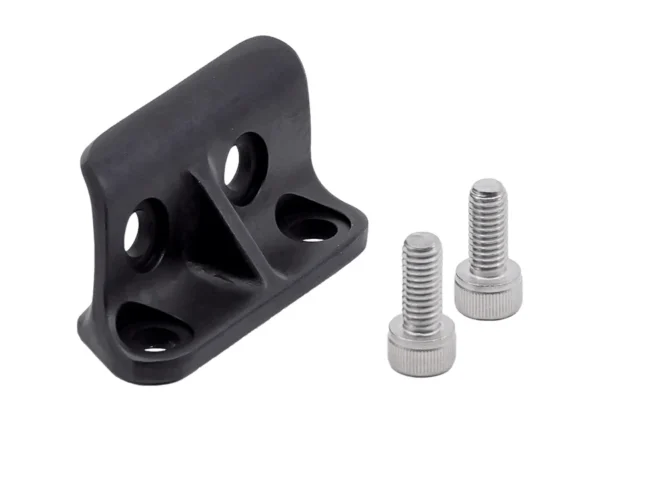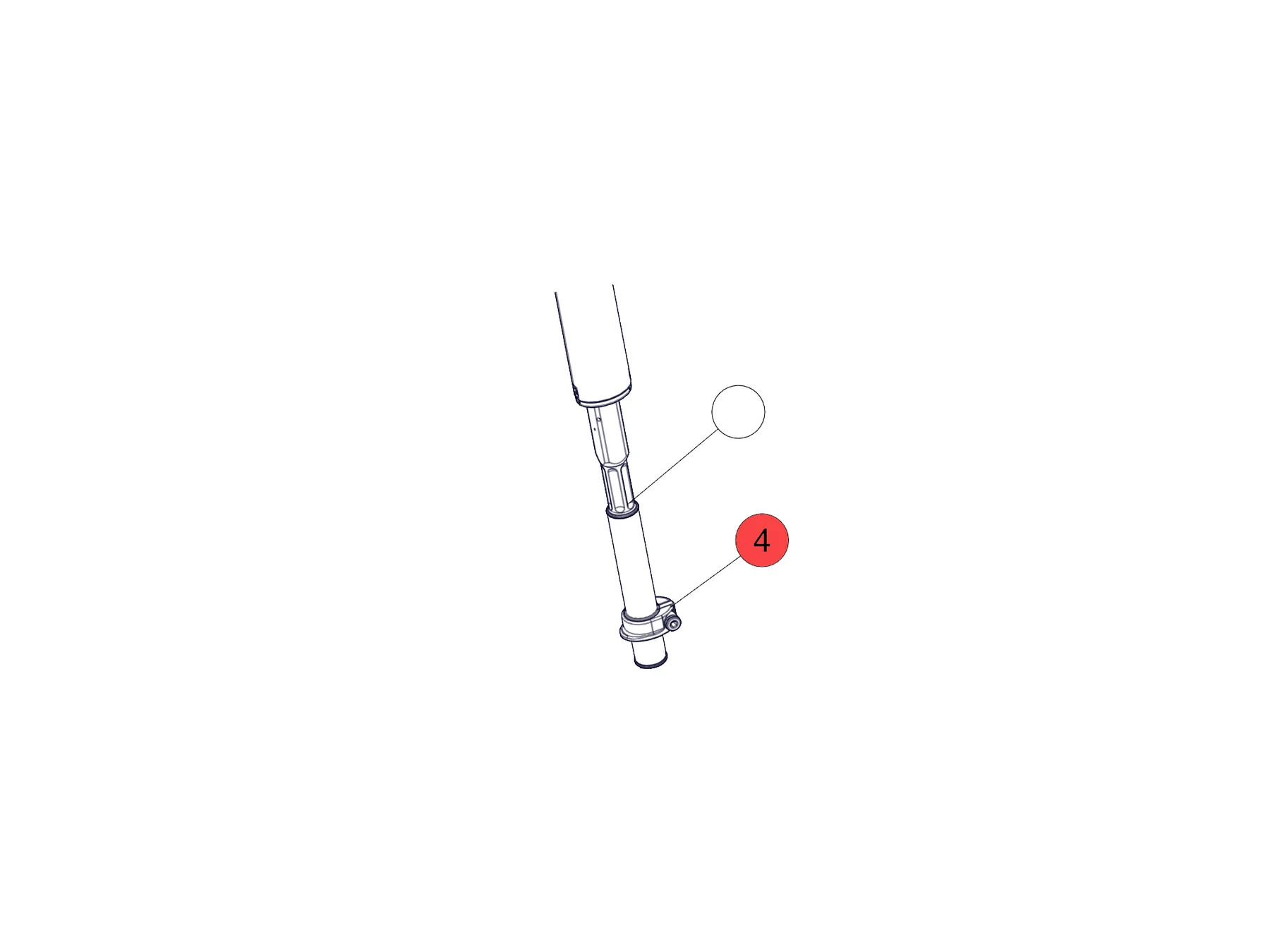
Axle / Nut

$99.00

Categories , Tags , , , , , , , , , , , , , , , , , , , , , , , , , , , , , , , , , , , , , , , , , , , , , , , , , , , , , , , , , , , , , , , , , , , , , , , , , , , , , , , , , , , , , , , , , , , , , , , , ,

Description

Axle / Nut: The Ultimate Guide to Understanding, Replacing, and Maintaining This Essential Vehicle Component

In the world of automotive repair and maintenance, few parts are as critical yet often overlooked as the Axle / Nut. Whether you’re a DIY enthusiast tackling your first wheel bearing job or a professional mechanic servicing fleets, mastering everything about the Axle / Nut can prevent costly breakdowns, ensure road safety, and extend the life of your vehicle’s drivetrain. This comprehensive guide covers everything you need to know about the Axle / Nut—from its role in wheel hub assemblies to step-by-step replacement instructions, torque specifications, and maintenance tips. By the end, you’ll have the knowledge to handle Axle / Nut issues confidently on cars, trucks, motorcycles, and even bicycles.

Im trying to get this rear axle nut off, but after hours of trying i still  cant, what am i doing wrong? : r/MechanicAdvice
Im trying to get this rear axle nut off, but after hours of trying i still cant, what am i doing wrong? : r/MechanicAdvice

Close-up view of an automotive Axle / Nut secured on a wheel hub assembly. Proper installation here is vital for vehicle stability.

What Is an Axle / Nut and Why Does It Matter?

The Axle / Nut is a heavy-duty fastener designed to secure the wheel hub or CV axle shaft to the vehicle’s axle assembly. In most front-wheel-drive cars, it threads onto the splined end of the CV axle and clamps the hub bearing assembly tightly in place. This seemingly simple nut plays a massive role: it sets the proper preload on the wheel bearings, prevents the axle from sliding out, and maintains alignment under high-speed rotation and heavy loads.

Without a correctly installed Axle / Nut, your vehicle could experience wheel wobble, premature bearing failure, or even a wheel detachment in extreme cases. Manufacturers recommend replacing the Axle / Nut every time it’s removed during service—never reuse an old one due to metal fatigue and thread deformation from repeated torquing.

Axle / Nut designs vary by vehicle type and year, but common features include:
  • Castle or slotted styles for cotter pin security.
  • Self-locking or prevailing torque nuts with deformed threads or nylon inserts.
  • Large diameters (often 30mm to 38mm) requiring specialized sockets.
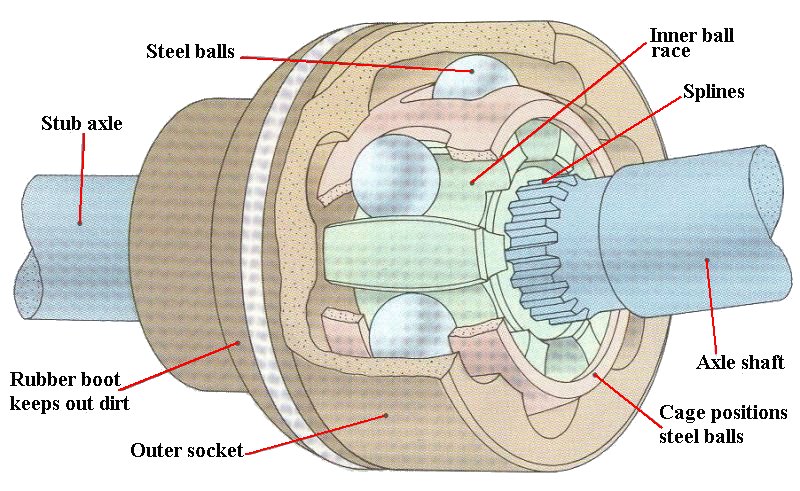
CV Joint Diagram – CV Joint Blog

Detailed diagram showing the CV axle shaft, hub, and position of the Axle / Nut in a typical front-wheel-drive setup.

The Critical Role of the Axle / Nut in Vehicle Performance and Safety

The Axle / Nut isn’t just holding things together—it actively contributes to bearing preload. As you tighten it, the nut draws the CV joint flange and hub together, compressing the inner and outer bearing races. This preload eliminates play, reduces vibration, and ensures smooth wheel rotation. Incorrect torque (too loose or too tight) can destroy expensive hub assemblies in thousands of miles.

Safety-wise, a failing Axle / Nut can lead to:

  • Loss of steering control.
  • Excessive noise and vibration.
  • Complete wheel separation in rare but catastrophic scenarios.

In heavy-duty trucks or trailers, Axle / Nut systems (sometimes called spindle nuts) follow similar principles but handle even greater loads. Always consult your vehicle’s service manual or trusted torque guides before working on any Axle / Nut.

Types of Axle / Nut: From Cars to Motorcycles and Bicycles

Axle / Nut designs aren’t one-size-fits-all. Here’s a breakdown:

Automotive (Cars and Trucks):

  • CV Axle Nuts: Large, single-piece or multi-piece designs. Torque often ranges from 130 to 300 ft-lbs depending on the vehicle.
  • Rear Axle Nuts: Common on RWD vehicles; may use different locking mechanisms.
  • Unitized Hub Nuts: Found in modern hub assemblies with integrated bearings.

Motorcycles and ATVs:

  • Smaller, flanged nuts that secure swingarm or wheel axles. They often include locking tabs or nylock features for vibration resistance.
Schley Tools – 65420 Toyota and Lexus Axle Nut Removal Tool

Specialized tools in action for precise Axle / Nut removal on a vehicle.

Bicycles:

  • Simple hex or flanged nuts on quick-release or thru-axle systems. Materials include steel, aluminum, or titanium for weight savings.
Amazon.com : Yauhar 16Pcs 3 Size Bicycle Hub Flanged Axle Nut and Safety  Washer Kit with Quick Release Skewer Front & Rear Bicycle Axle Replacement  Parts for MTB Mountain Road Bike :
Amazon.com : Yauhar 16Pcs 3 Size Bicycle Hub Flanged Axle Nut and Safety Washer Kit with Quick Release Skewer Front & Rear Bicycle Axle Replacement Parts for MTB Mountain Road Bike :

Bicycle Axle / Nut kits showing common sizes (M8, M9.5, M10) with safety washers.

Understanding your specific Axle / Nut type ensures you select the right replacement and tools.

Common Problems with Axle / Nut and How to Spot Them

Watch for these warning signs:

  • Loosening or vibration: Often from under-torquing or worn threads.
  • Stripped threads: Caused by impact tools during removal.
  • Rust and corrosion: Common in older vehicles or harsh environments.
  • Peened or staked nuts: Factory-deformed edges that must be carefully removed before service.

Pro tip: If the nut spins freely or shows any damage after removal, replace it immediately. Reusing compromised Axle / Nut hardware is a leading cause of premature hub failure.

Tools You’ll Need for Axle / Nut Work

Don’t start without the right equipment:

  • Axle nut socket set (30mm–38mm common sizes).
  • Breaker bar or long-handled ratchet for initial loosening.
  • Torque wrench (capable of 300+ ft-lbs—never guess!).
  • Cotter pin pullers, punches, and hammers for castle nuts.
  • Thread chaser or wire brush for cleaning splines.
  • New Axle / Nut (always replace—do not reuse).
Torquing Axle Nuts (Don
Torquing Axle Nuts (Don’t overload the bearings)

Mechanic demonstrating proper torquing technique on an axle assembly. A calibrated torque wrench is non-negotiable.

Step-by-Step Guide: How to Remove and Replace an Axle / Nut

Follow these steps for safe, professional results (vehicle-specific details may vary—always check your manual):

  1. Preparation: Park on level ground, chock wheels, and loosen the Axle / Nut while the tire is still on the ground (this prevents axle spin).
  2. Remove Wheel: Jack up the vehicle, remove the wheel, and brake caliper if needed.
  3. Loosen the Nut: Use a breaker bar or impact (for removal only) after unstaking/peening the nut.
  4. Clean Threads: Inspect and clean the axle splines and hub mating surfaces—no grease or anti-seize here!
  5. Install New Axle / Nut: Hand-thread first, then torque to spec while the vehicle is on the ground and brakes are applied.
  6. Secure It: Stake the nut edge into the axle slot or install a new cotter pin.
  7. Final Check: Reassemble, test drive, and re-torque after 50–100 miles if recommended.

Warning: Never use an impact wrench for final tightening—it can damage bearings and ruin preload.

CV Axle teardown Whats inside a CV Axle Half Shaft

Exploded view of a CV axle system highlighting where the Axle / Nut secures everything together.

Axle / Nut Torque Specifications: Get It Right Every Time

Torque values vary widely—130 ft-lbs for some compact cars to over 300 ft-lbs for heavy SUVs or trucks. Always reference:

  • Vehicle service manual.
  • Manufacturer torque charts (like the popular Axle Nut Torque Booklet).
  • Online guides from reputable brands (SKF, BCA, MOOG).

Example ranges:

  • Honda Civic: ~134–181 ft-lbs.
  • Ford F-150: Often 200+ ft-lbs.
  • GM vehicles: Varies by model year and hub design.

Use a quality torque wrench and follow the exact sequence—some require a two-step process (initial torque, back off, final torque).

Lisle Axle Nut Socket, 9 Pin for GM (31510) | JB Tools

Specialized axle nut socket being used—essential for reaching recessed Axle / Nut designs.

Maintenance Tips to Extend Axle / Nut Life

  • Inspect during every tire rotation or brake job.
  • Keep the area clean and rust-free.
  • Replace the nut with every hub or CV axle service.
  • Avoid over-torquing or using lubricants on the threads (they can reduce clamping force).
  • For motorcycles and bikes: Check for proper thread engagement and use thread locker where specified.

Axle / Nut Across Vehicle Types: Cars, Trucks, Motorcycles, and Bikes

While automotive applications dominate, the principles remain the same. Motorcycle Axle / Nut systems prioritize vibration resistance, while bicycle versions focus on quick adjustments and low weight. Trailer and RV spindle nuts follow heavy-duty torque procedures to prevent bearing overheating.

Conclusion: Treat Your Axle / Nut with Respect

The Axle / Nut might look like a simple fastener, but it’s a cornerstone of your vehicle’s safety and performance. By understanding its function, using proper tools and torque specs, and following best practices, you can avoid expensive repairs and drive with confidence. Whether you’re replacing an Axle / Nut on a daily commuter or a high-performance motorcycle, the effort pays off in reliability and peace of mind.

Reviews

There are no reviews yet.

Only logged in customers who have purchased this product may leave a review.