
In the world of electrical wiring and cabling, understanding the specifics of different gauges can make all the difference in your projects. Whether you’re a DIY enthusiast, an electrician, or someone just looking to upgrade your home audio system, the Cable Guide – No 16 is here to provide you with in-depth knowledge on 16 AWG (American Wire Gauge) cables. This guide will cover everything from basic definitions to advanced applications, ensuring you have all the information needed to make informed decisions. We’ll explore the technical specs, common uses, installation best practices, and much more, all while keeping things straightforward and practical.
If you’ve ever wondered why wire thickness matters or how to select the right cable for your needs, you’re in the right place. The Cable Guide – No 16 focuses on this versatile gauge, which strikes a balance between flexibility and current-carrying capacity. By the end of this post, you’ll be equipped with the expertise to handle 16 AWG wires confidently in various scenarios.
Let’s start with the fundamentals. AWG, or American Wire Gauge, is a standardized system used to measure the diameter of electrical wires. The number “16” in 16 AWG refers to the wire’s thickness—the lower the number, the thicker the wire. In the Cable Guide – No 16, we emphasize that this gauge is commonly used for medium-duty applications where moderate power is required without excessive bulk.
A 16 AWG wire typically has a diameter of about 1.29 millimeters (or 0.0508 inches) for the conductor itself, excluding insulation. It’s made from copper or aluminum, with copper being the preferred material due to its superior conductivity. The cross-sectional area is approximately 1.31 square millimeters, which allows it to handle currents up to around 13-18 amps depending on the insulation type and environmental factors.
To visualize this, consider how the wire’s structure affects its performance. The conductor is often stranded for flexibility, consisting of multiple thin strands twisted together, or solid for more rigid installations.
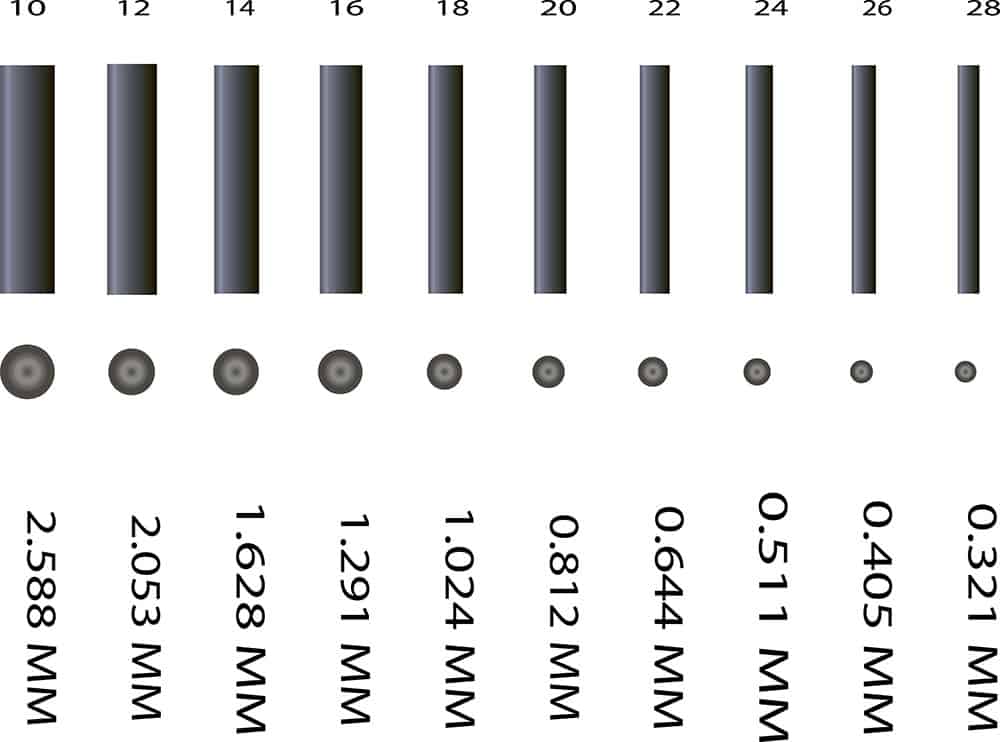
This illustration shows a comparison of various AWG sizes, highlighting the relative thickness of a 16 AWG wire. As you can see, it’s positioned between finer gauges like 18 AWG and thicker ones like 14 AWG, making it ideal for a range of tasks.
Diving deeper into the technical side, the Cable Guide – No 16 outlines the essential specs that define 16 AWG cables. According to the National Electrical Code (NEC) and standards from organizations like Underwriters Laboratories (UL), these wires are rated for specific voltage and amperage limits.
For instance:
These specifications ensure safety and efficiency. In the Cable Guide – No 16, we recommend consulting charts for precise calculations, especially for runs exceeding 50 feet to minimize voltage drop.
One of the most appealing aspects covered in the Cable Guide – No 16 is the versatility of this gauge. It’s not too thin to handle power nor too thick to be unwieldy, making it a go-to choice for numerous scenarios.
In audio setups, 16 AWG speaker wire is a standard for connecting amplifiers to speakers. It provides low resistance for clear sound transmission over distances up to 50-80 feet without significant signal loss. For home theaters or multi-room audio, this gauge ensures balanced performance without the cost of heavier wires.
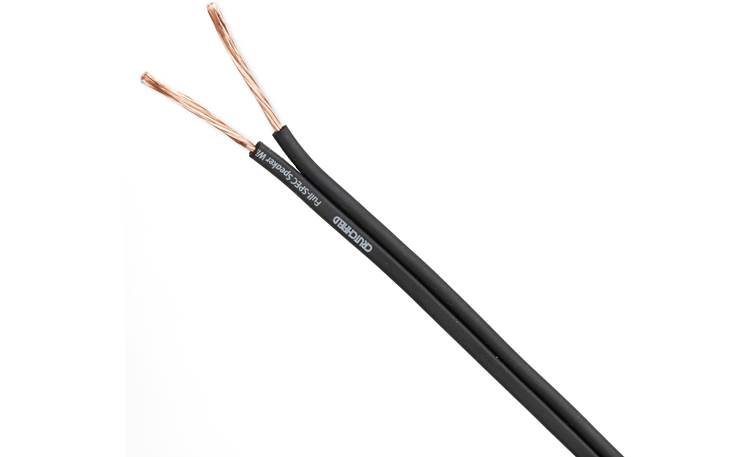
Here’s an example of typical 16 AWG speaker wire, often featuring a clear or colored jacket for easy polarity identification. Notice the stranded construction, which allows for easy bending around corners.
For outdoor or workshop use, 16 AWG extension cords are common for medium-power devices like lawn mowers, drills, or holiday lights. They can handle up to 13 amps safely, making them suitable for tools rated at 1,500 watts or less on a 120-volt circuit.

This image depicts a standard 16 AWG extension cord, complete with grounded plugs for safety. It’s durable enough for temporary power needs but not intended for permanent installations.
In vehicles or boats, 16 AWG wire is used for accessories like lights, radios, or pumps. Its resistance to vibration and moisture (when properly insulated) makes it reliable in harsh environments.
LED strips, landscape lighting, and security cameras often rely on 16 AWG for efficient power delivery. The gauge minimizes heat buildup and ensures consistent brightness.
In the Cable Guide – No 16, we stress that while versatile, always match the wire to the load—overloading can lead to hazards.
Why choose 16 AWG over other gauges? The Cable Guide – No 16 highlights several benefits:
Compared to finer wires, it offers lower resistance, meaning less energy loss as heat. For example, in a 100-foot run at 10 amps, voltage drop is about 4% on 16 AWG versus 6% on 18 AWG.
Selecting the best cable involves more than just gauge. The Cable Guide – No 16 advises considering these factors:
For instance, if you’re wiring a garage workshop, opt for THHN-insulated 16 AWG for conduit use.
This chart illustrates wire gauges and their diameters, helping you compare 16 AWG visually to others.
Proper installation is crucial for safety and longevity. Here’s a step-by-step from the Cable Guide – No 16:
For automotive installs, protect against abrasion with looms. Always follow local codes—consult a professional for complex jobs.
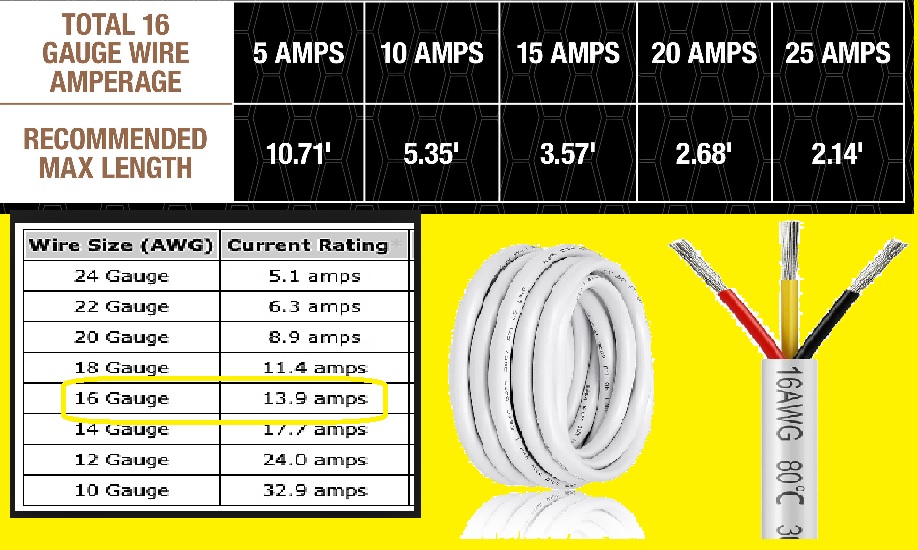
This visual aid shows amp ratings and wire examples, useful for planning installations.
To keep your 16 AWG setups running smoothly, the Cable Guide – No 16 recommends regular inspections. Look for frayed insulation, corrosion, or loose connections. Clean terminals with contact cleaner and replace damaged sections promptly.
Common issues include voltage drop (solved by shortening runs) or overheating (due to overloads). If troubleshooting, measure current draw and compare to specs.
In the Cable Guide – No 16, we often get questions about alternatives:
Choose based on amp requirements: Use a table like this for quick reference:
| Gauge | Diameter (mm) | Max Amps (Copper) | Typical Uses |
|---|---|---|---|
| 12 AWG | 2.05 | 25 | Heavy appliances |
| 14 AWG | 1.63 | 20 | Lighting circuits |
| 16 AWG | 1.29 | 13-18 | Speakers, extensions |
| 18 AWG | 1.02 | 10 | Low-power devices |
This comparison underscores why 16 AWG is a sweet spot for many users.
Safety first in the Cable Guide – No 16. Never exceed amp ratings—use fuses or breakers. Ground properly to prevent shocks. For outdoor use, ensure weatherproofing.
If working with high voltages, wear PPE and de-energize circuits. The guide reminds you that improper use can void warranties or cause failures.
Looking ahead, the Cable Guide – No 16 notes advancements like eco-friendly insulations or smart wires with embedded sensors. As renewable energy grows, 16 AWG will play roles in solar setups.
Wrapping up, the Cable Guide – No 16 has equipped you with comprehensive insights into 16 AWG cables. From specs to applications, this gauge offers reliability for countless projects. Whether upgrading your sound system or powering tools, remember to prioritize safety and match to your needs.
If you have questions or need recommendations, drop a comment below. Stay wired wisely!
Only logged in customers who have purchased this product may leave a review.


Reviews
There are no reviews yet.