
In the world of electrical installations, ensuring safety, durability, and compliance is paramount. One component that plays a crucial role in achieving this is the FD cover. Whether you’re an electrician working on commercial projects or a homeowner tackling a renovation, understanding the FD cover can make a significant difference in your setup. This comprehensive guide dives deep into everything you need to know about FD covers, from their basic functions to advanced applications, helping you make informed decisions for your electrical systems.
FD covers are integral parts of FD device boxes, which are designed for non-hazardous conduit systems. These covers protect wiring devices, provide access for maintenance, and ensure the overall integrity of electrical connections. As we explore further, you’ll see why incorporating an FD cover is not just a best practice but a necessity for reliable performance.
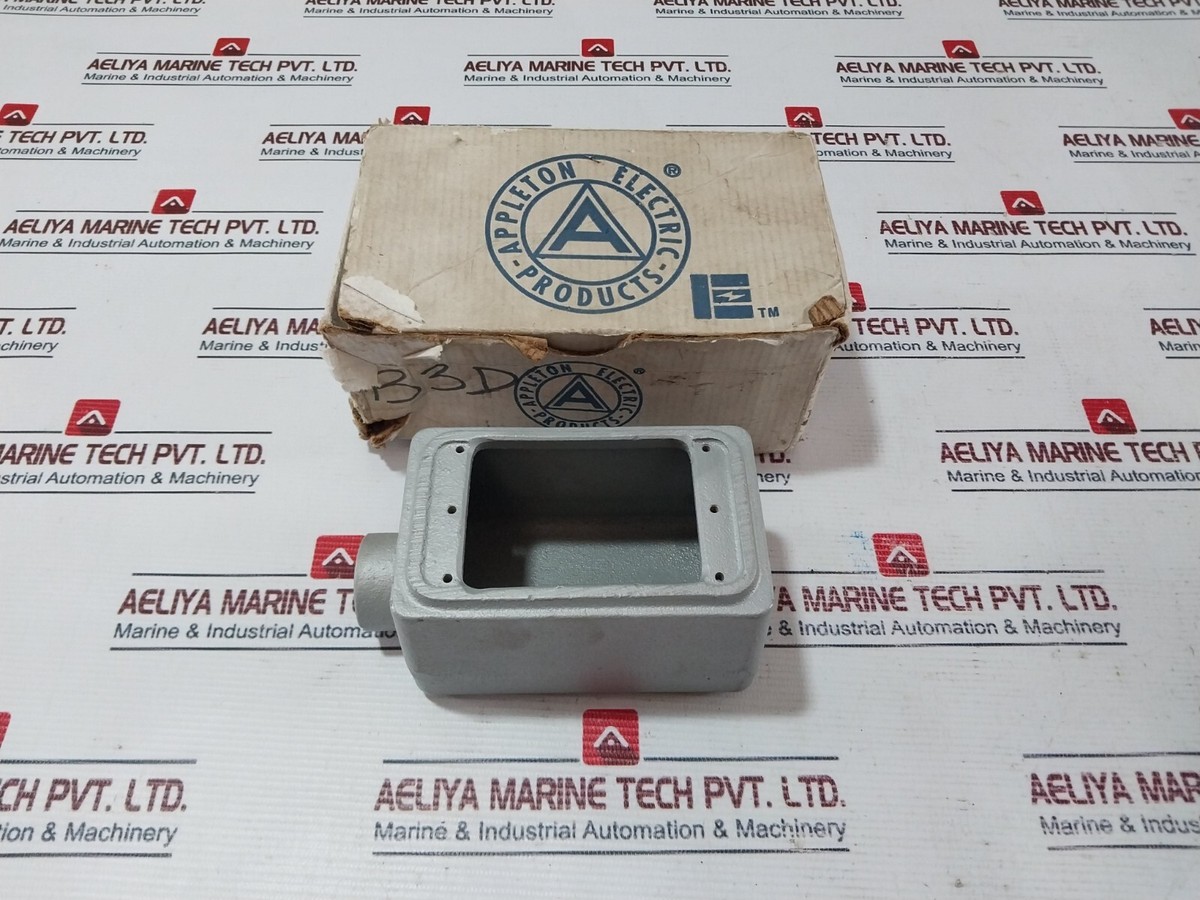
At its core, an FD cover is a protective lid or plate that fits over FD (Function Deep) device boxes. These boxes are deeper variants of electrical enclosures, typically used when devices require more space—such as those exceeding 1-5/8 inches in depth. Unlike shallower FS (Function Shallow) boxes, FD boxes offer ample wiring room, making them ideal for complex setups involving switches, outlets, circuit breakers, or even larger components like motors.
The FD cover serves multiple purposes: it shields internal components from dust, moisture, and accidental contact, while also allowing easy access for inspections or repairs. Manufactured in materials like sheet steel, Feraloy iron alloy, aluminum, stainless steel, or even PVC for non-metallic options, FD covers come in various configurations to suit different environments. For instance, gasketed FD covers are perfect for wet locations, providing a raintight seal that complies with standards like UL 514A and CSA C22.2 No. 18.
Why does the FD cover matter? In electrical systems, unprotected boxes can lead to hazards like short circuits or fires. By using a proper FD cover, you enhance safety, extend the lifespan of your installations, and ensure code compliance. According to industry sources, FD covers are essential in conduit systems for accommodating wiring devices, acting as pull boxes, or facilitating taps and splices. This makes them indispensable in both residential and industrial settings.
Imagine installing a duplex receptacle in a garage where moisture is a concern—without a suitable FD cover, corrosion could compromise the setup. With the right cover, however, you maintain functionality and safety over time.
To fully appreciate the FD cover, it’s helpful to understand its counterpart: the FS box. FS stands for Function Shallow, offering a compact depth suitable for standard devices that don’t require extra space. In contrast, FD boxes are deeper—often around 2.5 to 3.5 inches or more—allowing for multiple devices or intricate wiring.
Key differences include:
This distinction ensures that when you choose an FD cover, you’re opting for robustness in demanding scenarios. For example, in commercial buildings, FD boxes with appropriate covers support heavy-duty outlets, reducing the risk of overloads.
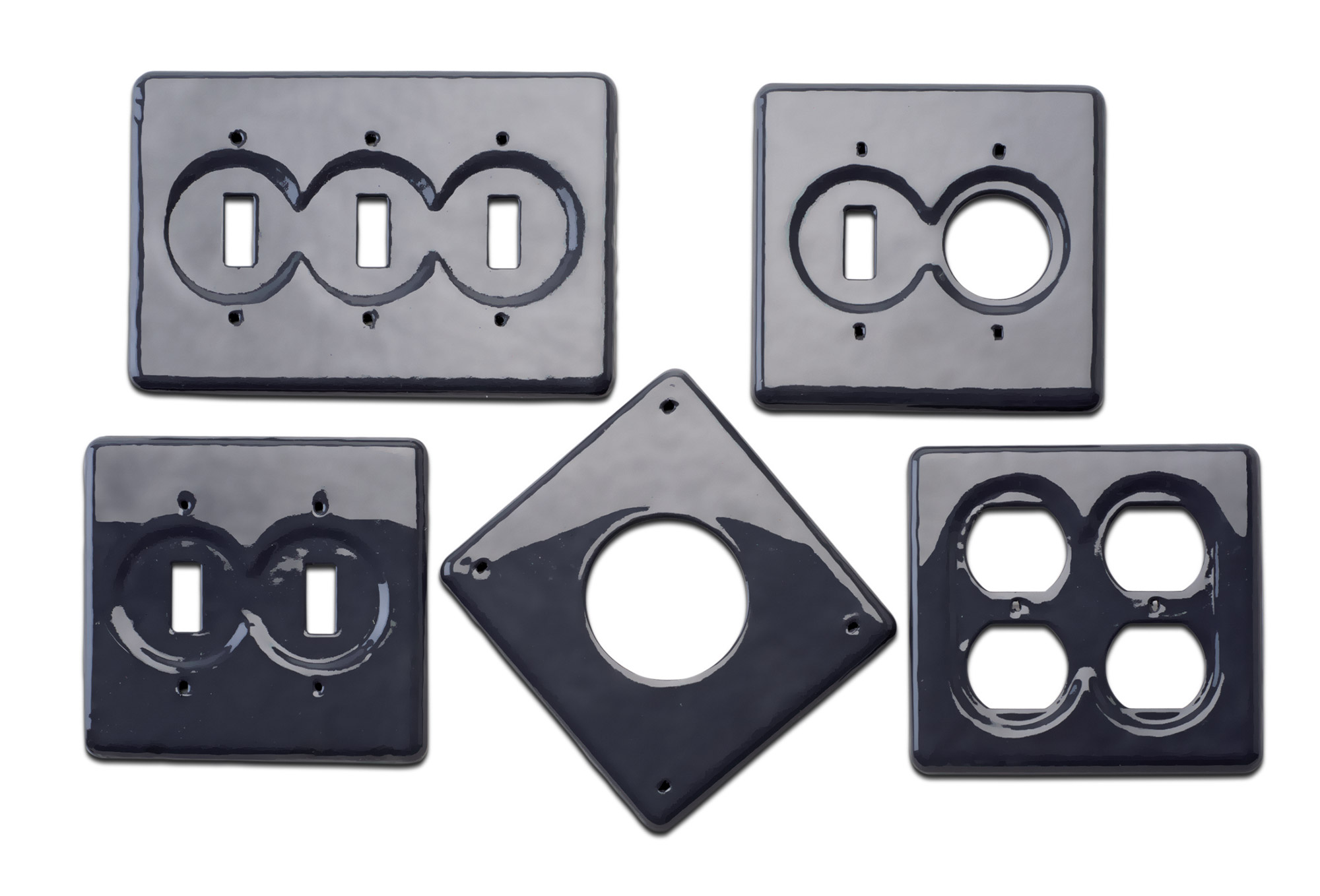
FD covers come in a variety of types to match specific needs, ensuring versatility across projects. Here’s a breakdown of the most common ones:
Materials vary too—steel for durability, aluminum for lightweight corrosion resistance, or PVC for non-conductive applications. Hub configurations like C-shape, L-shape, or X-shape allow for different conduit entries, with sizes ranging from 1/2″ to 1″.
Selecting the right type of FD cover depends on your project’s requirements. For instance, in a workshop, a duplex receptacle FD cover might be paired with a deep box for power tools.
Incorporating an FD cover into your electrical setup offers numerous advantages that go beyond basic protection. First and foremost, they enhance safety by enclosing live wires and components, preventing accidental contact that could lead to shocks or injuries. This is particularly vital in high-traffic areas or homes with children.
Durability is another key benefit. FD covers, especially those with gasketed seals, protect against environmental factors like moisture, dust, and corrosion. In wet locations, they ensure raintight performance, extending the life of your devices and reducing maintenance costs. Materials like hot-dip galvanized malleable iron provide extra resistance to harsh conditions, such as road salt in outdoor installations.
Compliance with electrical codes is simplified with FD covers. They meet standards from UL, ANSI, and CSA, ensuring your project passes inspections. Additionally, the ample wiring space in FD boxes, complemented by the cover, allows for easier installations and future expansions without overcrowding.
From an aesthetic standpoint, flush-mounted FD covers offer a clean look, blending seamlessly into walls or floors. They also improve accessibility—covers can be removed quickly for repairs, minimizing downtime.
Overall, using an FD cover promotes efficiency, safety, and longevity in your electrical infrastructure. As noted in expert resources, these covers secure boxes to walls and facilitate maintenance while adhering to the National Electrical Code.
Installing an FD cover is straightforward but requires attention to detail for safety and effectiveness. Follow this guide to ensure a proper setup:
Common tips: Always turn off power at the breaker before starting. For deeper FD boxes, verify device depth compatibility. If drilling custom openings, use blank bodies.
Videos and guides emphasize pushing connections firmly and using all screw holes for a snug fit. Professional installation is recommended for complex projects.

Selecting the appropriate FD cover involves considering several factors:
Budget-wise, basic steel covers are affordable, while stainless steel options cost more but last longer. Consult catalogs from manufacturers like Eaton or Appleton for specifications.
Regular maintenance keeps your FD cover performing optimally. Inspect covers annually for damage, clean off dust, and replace gaskets if worn. In corrosive environments, check for rust and apply protective coatings if needed.
Safety tips: Never overload circuits, use covers rated for your voltage, and hire licensed electricians for installations. Proper FD covers reduce risks, but always prioritize turning off power during work.
In summary, the FD cover is a vital component that enhances safety, durability, and functionality in electrical systems. By understanding its types, benefits, and installation, you can confidently integrate it into your projects. Whether upgrading a home or managing industrial wiring, investing in quality FD covers pays off in reliability and peace of mind. For more tailored advice, consult local electrical suppliers or professionals.
Only logged in customers who have purchased this product may leave a review.



Reviews
There are no reviews yet.