
If you’re a passionate mountain biker who owns a BMC Fourstroke series bike, you’ve likely encountered the need for precise cable routing to keep your rides smooth and efficient. Enter the Cable Guide – No 33, a specialized spare part designed specifically for BMC’s high-performance mountain bikes. This comprehensive blog post dives deep into everything you need to know about the Cable Guide – No 33, from its features and compatibility to installation tips and maintenance advice. Whether you’re dealing with worn-out guides or looking to optimize your bike’s performance, this guide will help you make informed decisions.
In the world of cycling, small components like cable guides play a massive role in ensuring seamless gear shifting, braking, and overall bike handling. The Cable Guide – No 33 is no exception—it’s engineered to handle the rigors of off-road adventures while protecting your cables from dirt, debris, and wear. Let’s explore why this part is a must-have for BMC enthusiasts.
The Cable Guide – No 33 is a complete hose guide kit produced by BMC Switzerland, a renowned brand in the cycling industry known for its innovative and durable bicycles. This kit is tailored for internal cable routing systems, which are common in modern mountain bikes to maintain a clean aesthetic and protect cables from external elements.
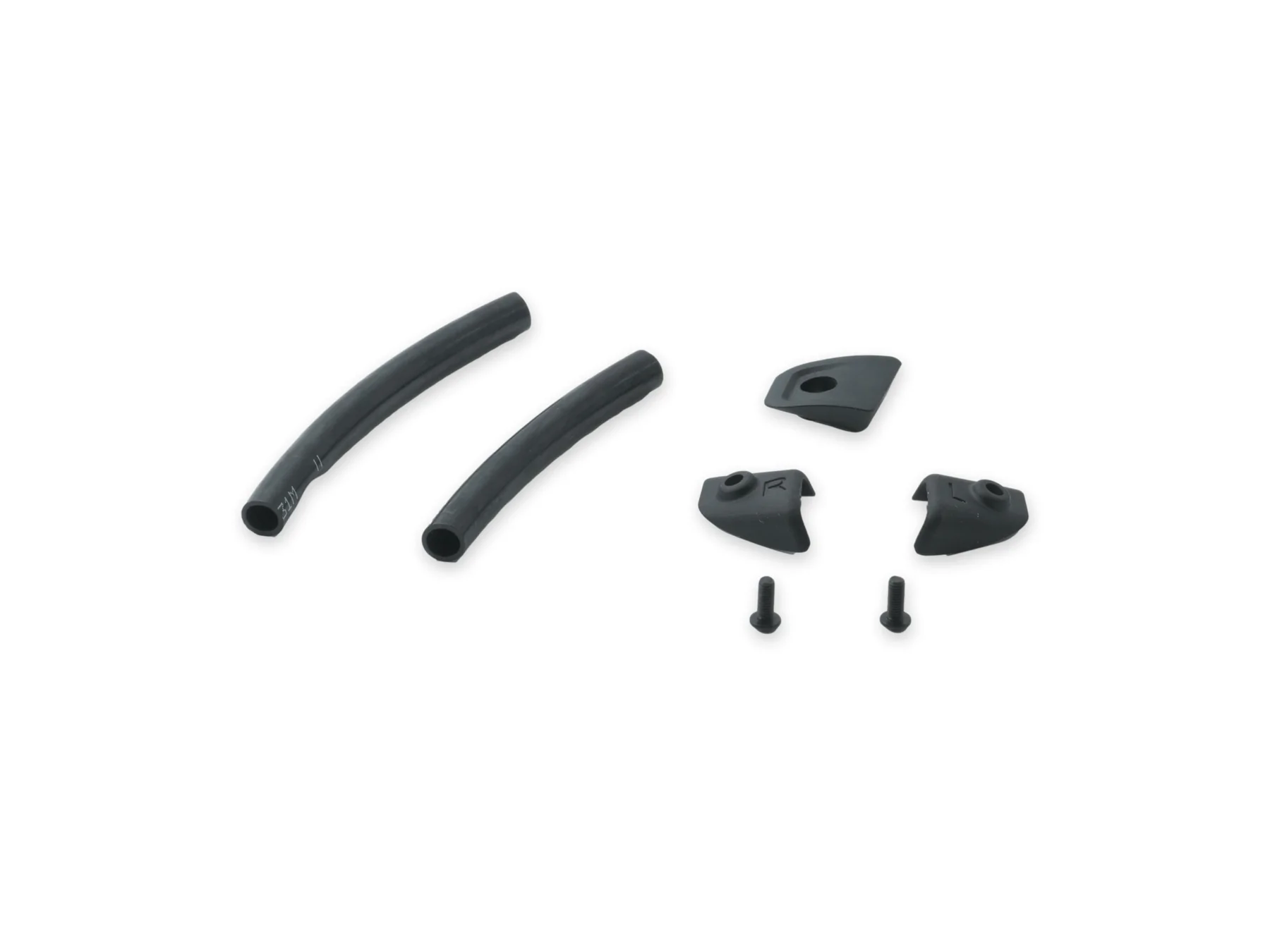
The Cable Guide – No 33 includes several essential pieces to ensure comprehensive cable management:
This kit is typically priced around $25 to $30 USD, making it an affordable upgrade or replacement for your bike. It’s available through official BMC dealers and online retailers specializing in bike parts.
Why does this matter? In mountain biking, where trails can be muddy, rocky, and unforgiving, proper cable guidance prevents issues like cable stretch, contamination, or misalignment. The Cable Guide – No 33 uses durable rubber and PU materials that resist weathering and provide a low-friction path for cables, leading to crisper shifts and more reliable braking.

As seen in the image above, the components are compact yet robust, designed for easy integration into your bike’s frame.
One of the most important aspects when shopping for bike parts is ensuring compatibility. The Cable Guide – No 33 is specifically designed for the BMC Fourstroke Gen 6 series, a lineup of full-suspension mountain bikes celebrated for their versatility in cross-country and trail riding.
Based on official BMC documentation and spare parts lists, the Cable Guide – No 33 works with the following models:
These models feature integrated cable routing through the frame, and the Cable Guide – No 33 ensures that hoses and cables are routed efficiently from the head tube to the rear of the bike. If you own an older Fourstroke or a different BMC series like the Roadmachine or Teammachine, this kit may not be a direct fit—always check your bike’s spare parts manual or consult a BMC dealer.
For e-bike owners, the Fourstroke AMP LT compatibility is a bonus, as it accommodates the additional wiring for electric assist systems without compromising on cable protection.
If you’re unsure about your bike model, refer to BMC’s spare parts PDF for MY 2024, which lists the Cable Guide – No 33 under the Fourstroke section. This ensures you’re getting the right part without guesswork.
Mountain biking demands a lot from your equipment. Over time, original cable guides can wear out due to constant exposure to elements like mud, water, and impacts. Here are some common scenarios where replacing with the Cable Guide – No 33 makes sense:
In the broader context of bike maintenance, proper cable guidance contributes to the longevity of your drivetrain components, such as derailleurs and shifters. For BMC Fourstroke owners, sticking with OEM parts like the Cable Guide – No 33 maintains the bike’s engineered performance standards.
Installing the Cable Guide – No 33 is a straightforward DIY task for most cyclists with basic tools. While BMC doesn’t provide model-specific instructions in every manual, we can draw from general cable routing practices and BMC’s assembly guidelines. Always work in a clean, well-lit space, and if you’re not confident, visit a professional bike shop.

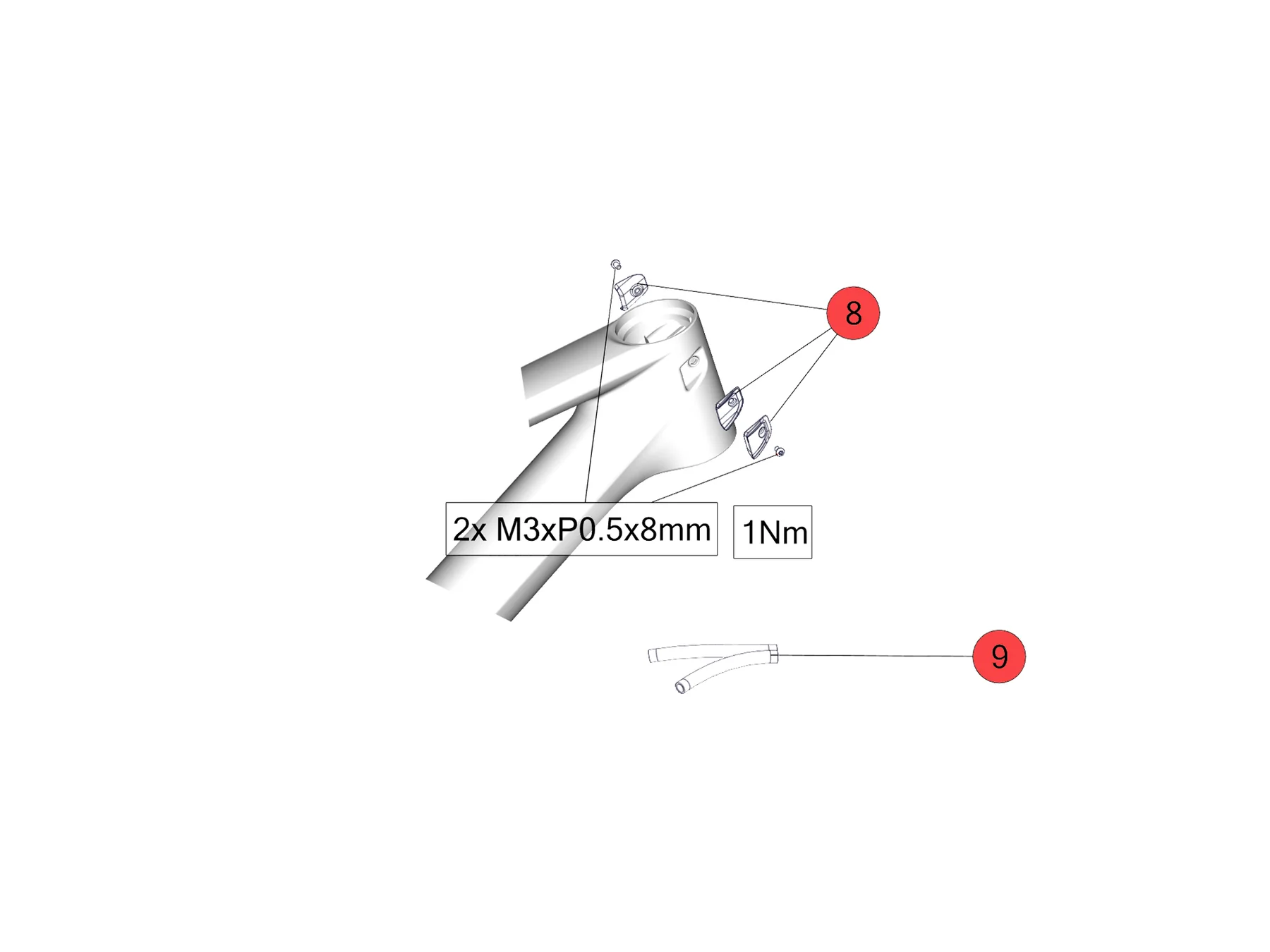
The diagram above illustrates a typical installation setup, showing bolt placements and torque specs for similar BMC components.
Post-installation, take a short test ride to confirm everything functions correctly. If issues persist, it might indicate a need for full cable replacement.
To get the most out of your Cable Guide – No 33, regular maintenance is key. Here’s how to keep it in top shape:
Replace the Cable Guide – No 33 every 1-2 years or after 5,000-10,000 km of riding, depending on conditions. Harsh environments like wet trails accelerate wear.
In BMC’s owner’s manuals, they emphasize washing your bike properly and troubleshooting issues like cable play. Following these can extend the life of not just the guides but your entire bike.
While the Cable Guide – No 33 is ideal for Fourstroke owners, if it’s unavailable or you’re looking for options:
Always prioritize OEM parts for BMC bikes to maintain warranty and performance.
The Cable Guide – No 33 might seem like a minor component, but it’s pivotal for the smooth operation of your BMC Fourstroke bike. By ensuring proper cable routing, it enhances your riding experience, reduces maintenance headaches, and keeps you focused on the trails ahead. Whether you’re a weekend warrior or a competitive racer, investing in quality parts like this pays off in reliability and enjoyment.
If you’ve installed the Cable Guide – No 33 on your bike, share your experiences in the comments below. For more cycling tips, upgrades, and reviews, subscribe to our blog. Ride safe and keep exploring!
Only logged in customers who have purchased this product may leave a review.




Reviews
There are no reviews yet.